St. Pete Beach Pool Permits: Pinellas County and What to Expect
Building a custom pool on a barrier island like St. Pete Beach involves a more detailed permitting process than most inland communities. Pinellas County requires structural engineering plans, site-specific plot surveys, and flood zone compliance documentation before a permit is issued. Elevation certificates are standard for properties in AE and VE flood zones, which cover much of St. Pete Beach. Pool Perfection manages the full permitting process in-house, from engineering coordination to county submission, so homeowners are not left navigating a regulatory process on their own. For barrier island builds, we incorporate flood compliance into the structural design from the start, not as an afterthought during the permit review.
Designing a Pool for St. Pete Beach's Small Coastal Lots
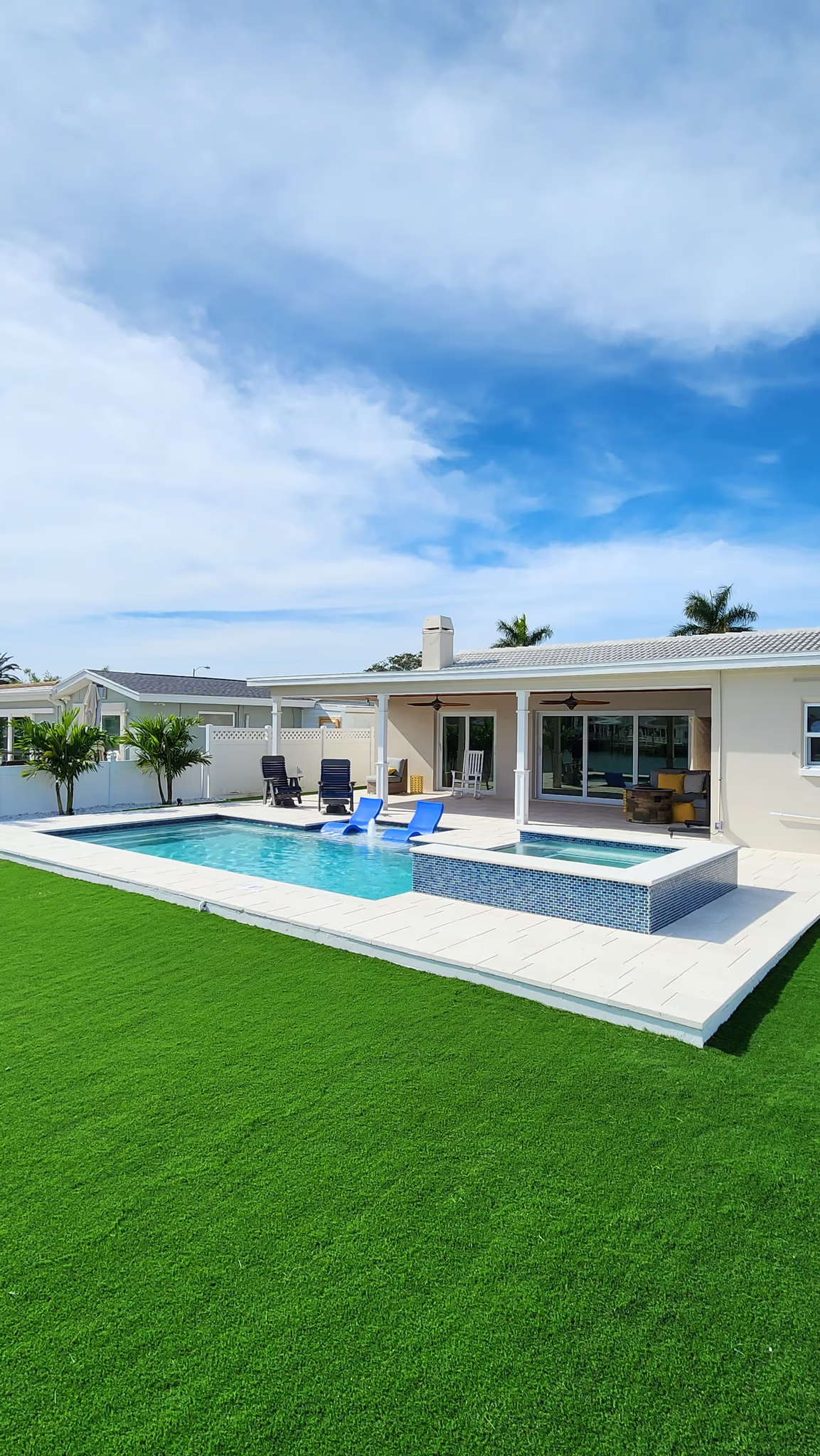
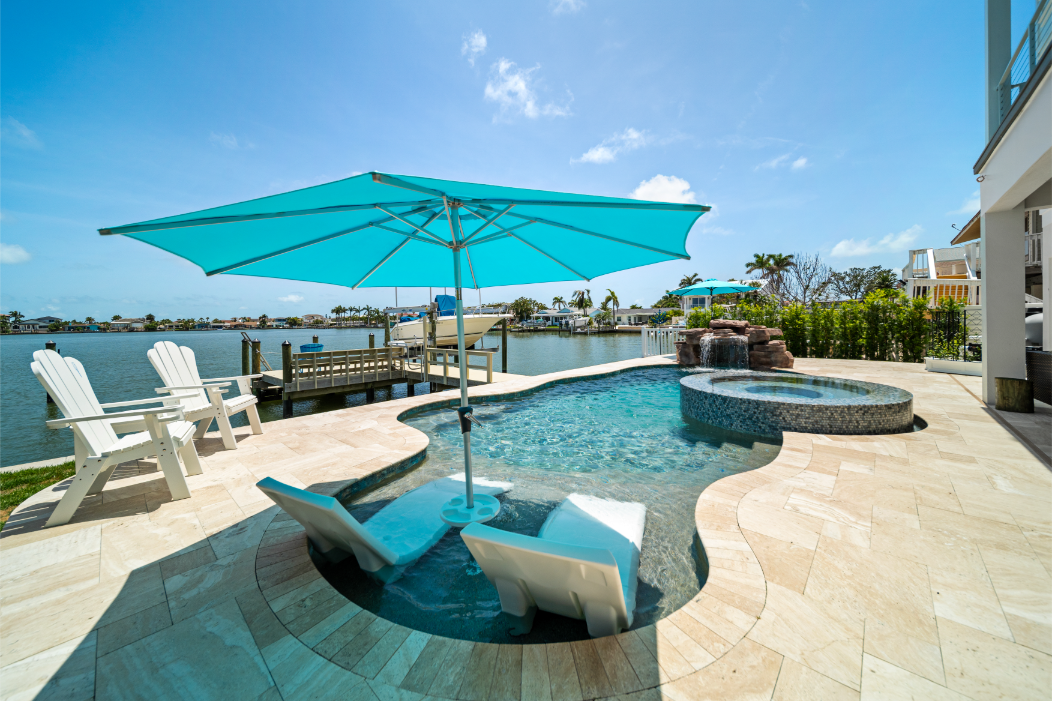
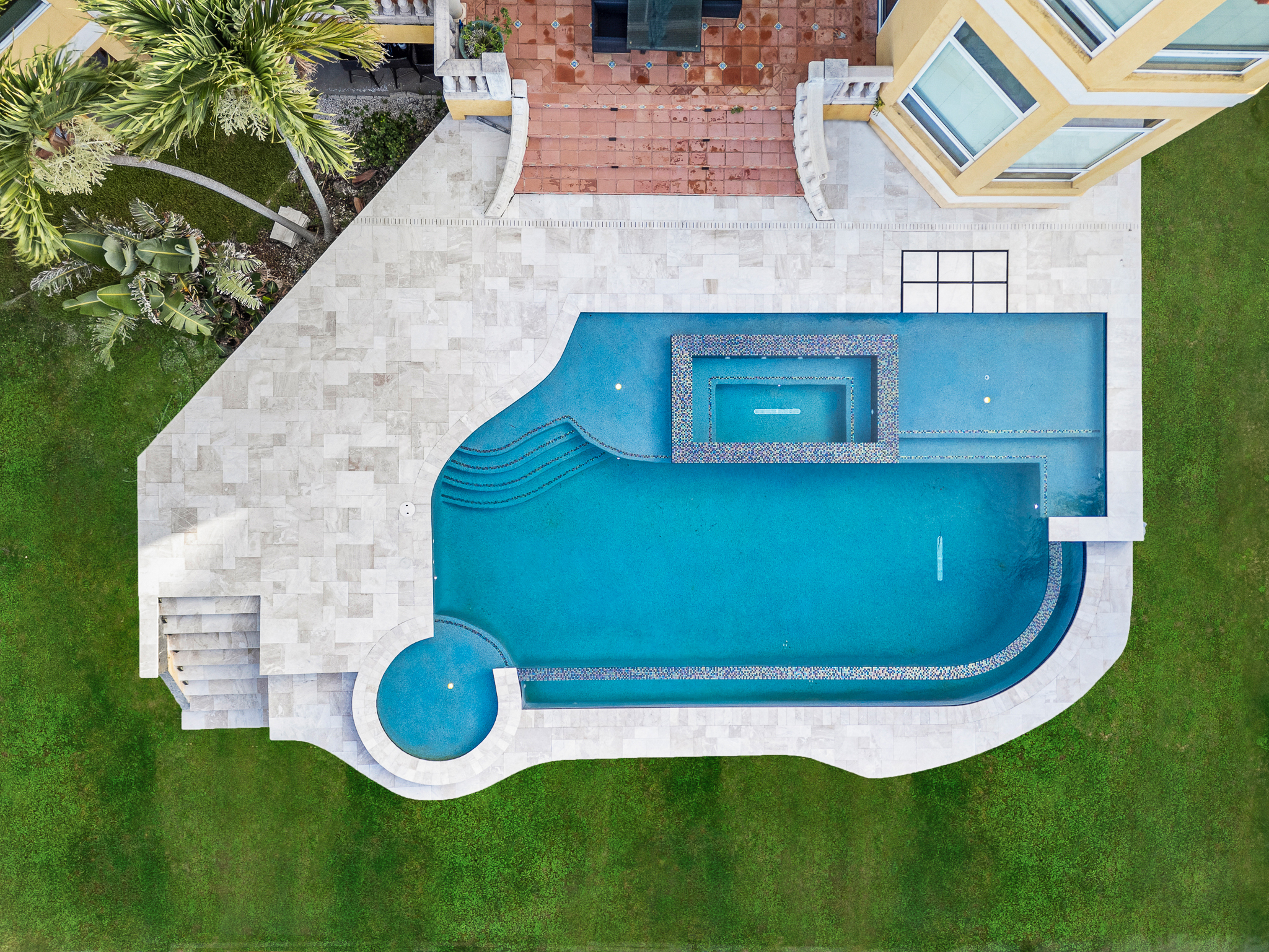
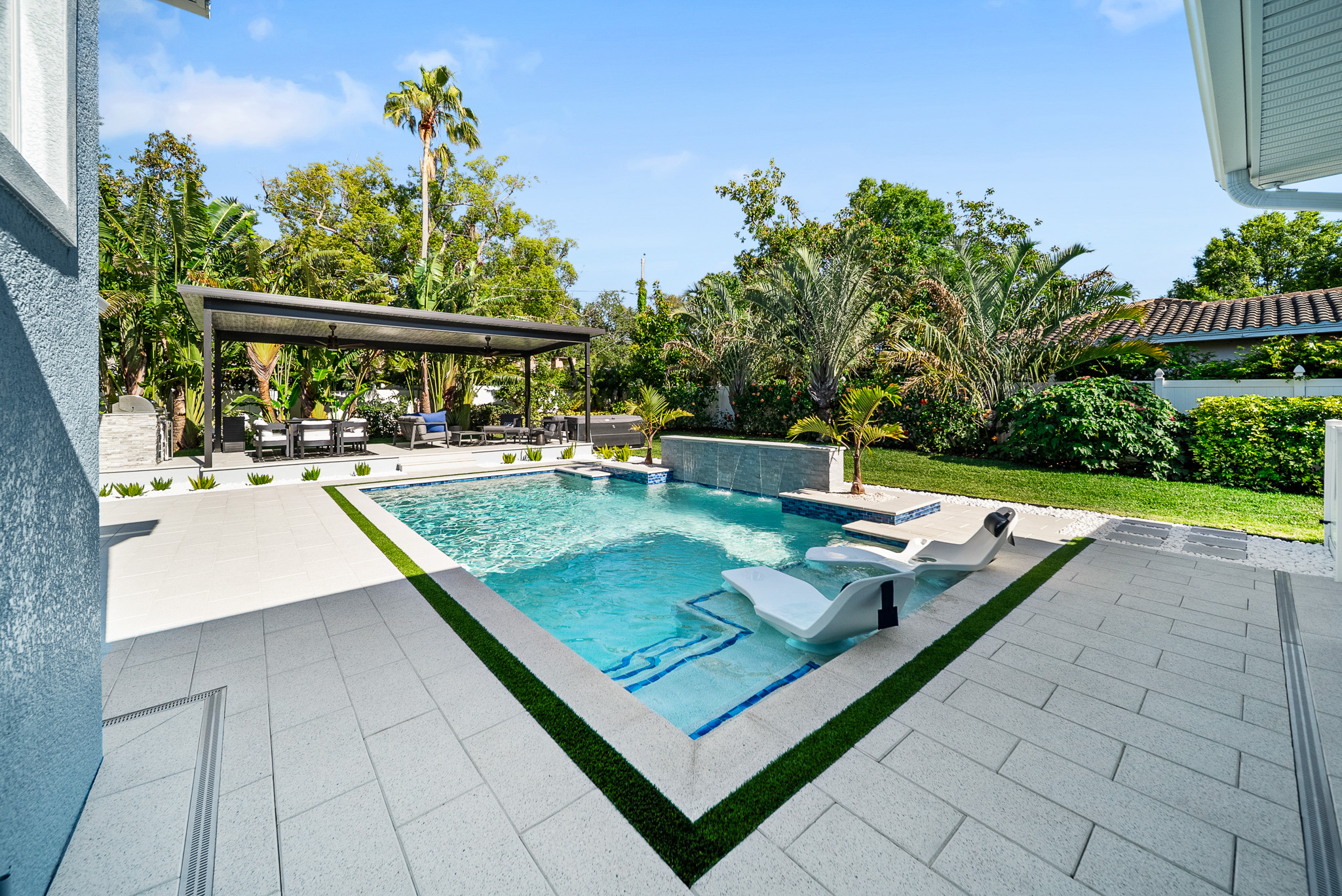
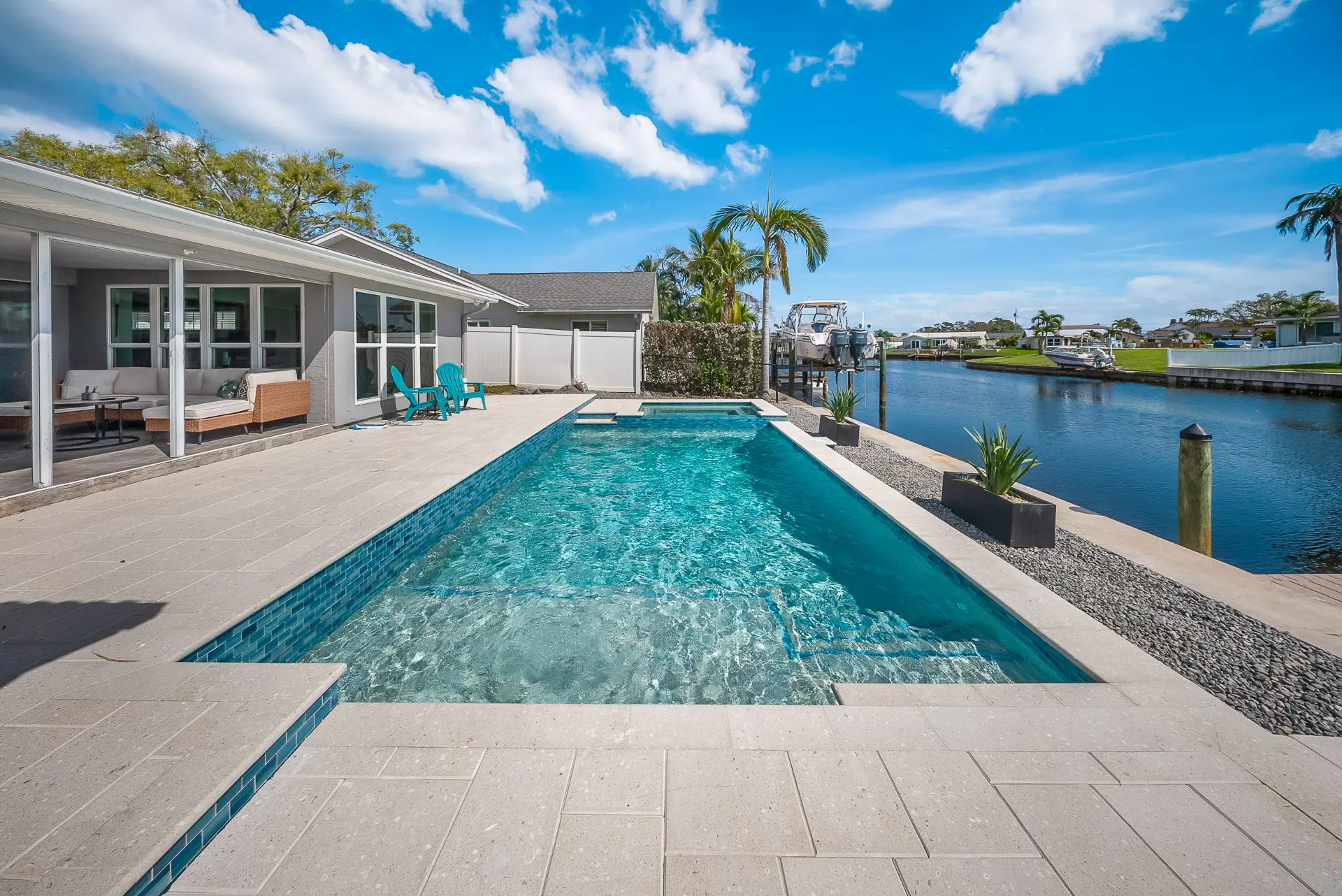
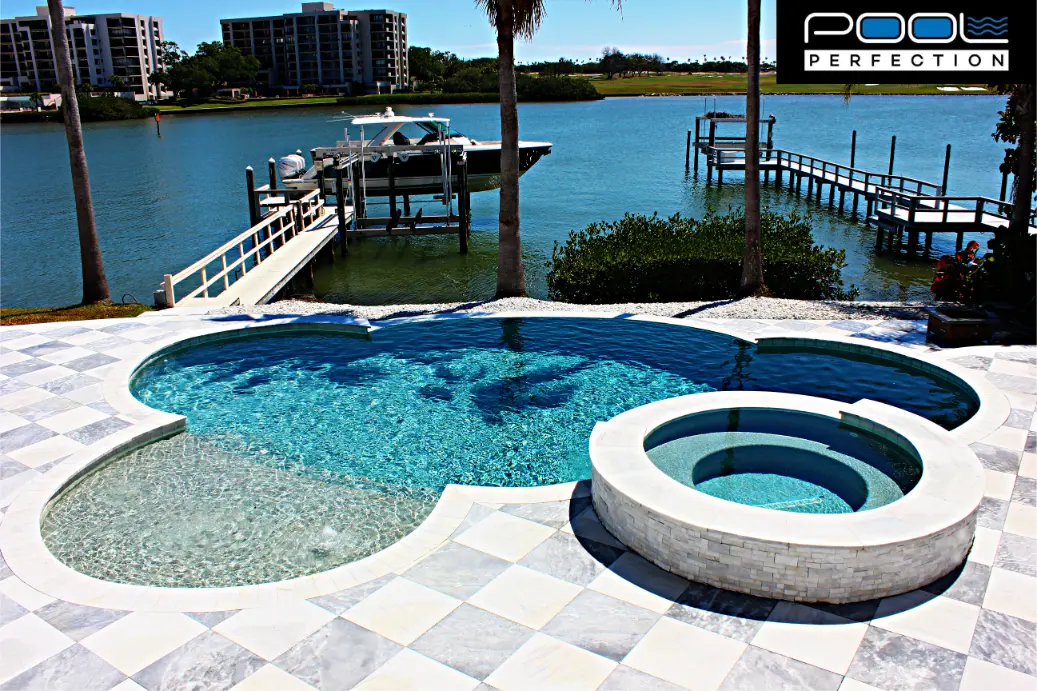
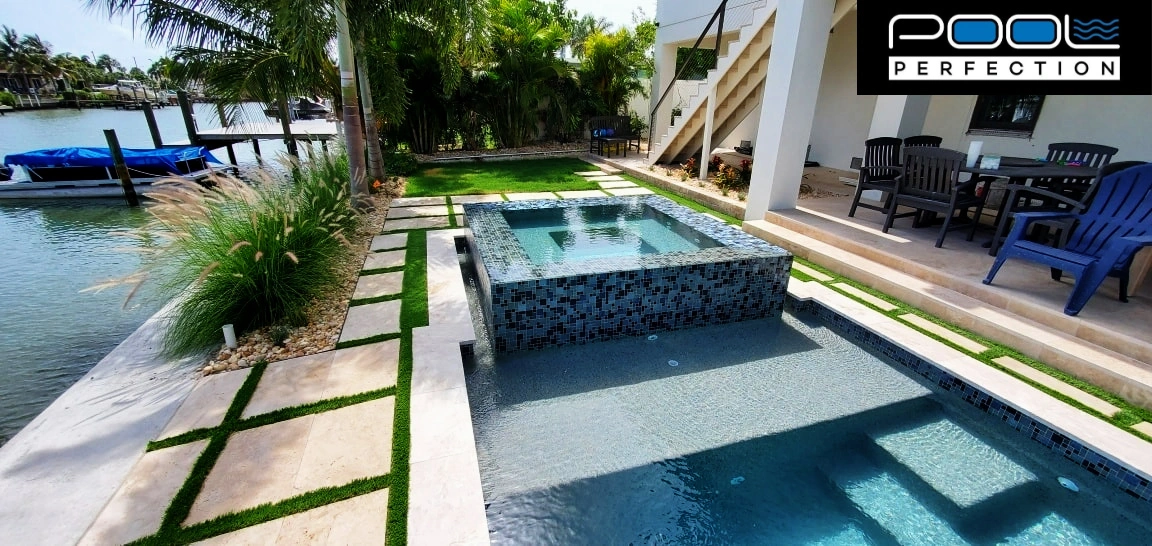
The typical St. Pete Beach property offers a compact footprint with strict side and rear setbacks that leave limited room for a pool. On lots where the usable outdoor area runs 30 to 40 feet wide, the design process starts with the site constraints and works inward, not the other way around. Pool Perfection builds fully custom concrete pools with no catalog shapes or standard sizes, which means the shell can be engineered to fit the available geometry precisely. For waterfront properties, that often means integrating the pool with dock access, elevated decking to meet flood requirements, and design choices that orient the outdoor space toward the water. On St. Pete Beach's premium lots, the pool is part of the waterfront investment, not just a backyard addition.
Concrete vs. Fiberglass for Coastal Florida Pools
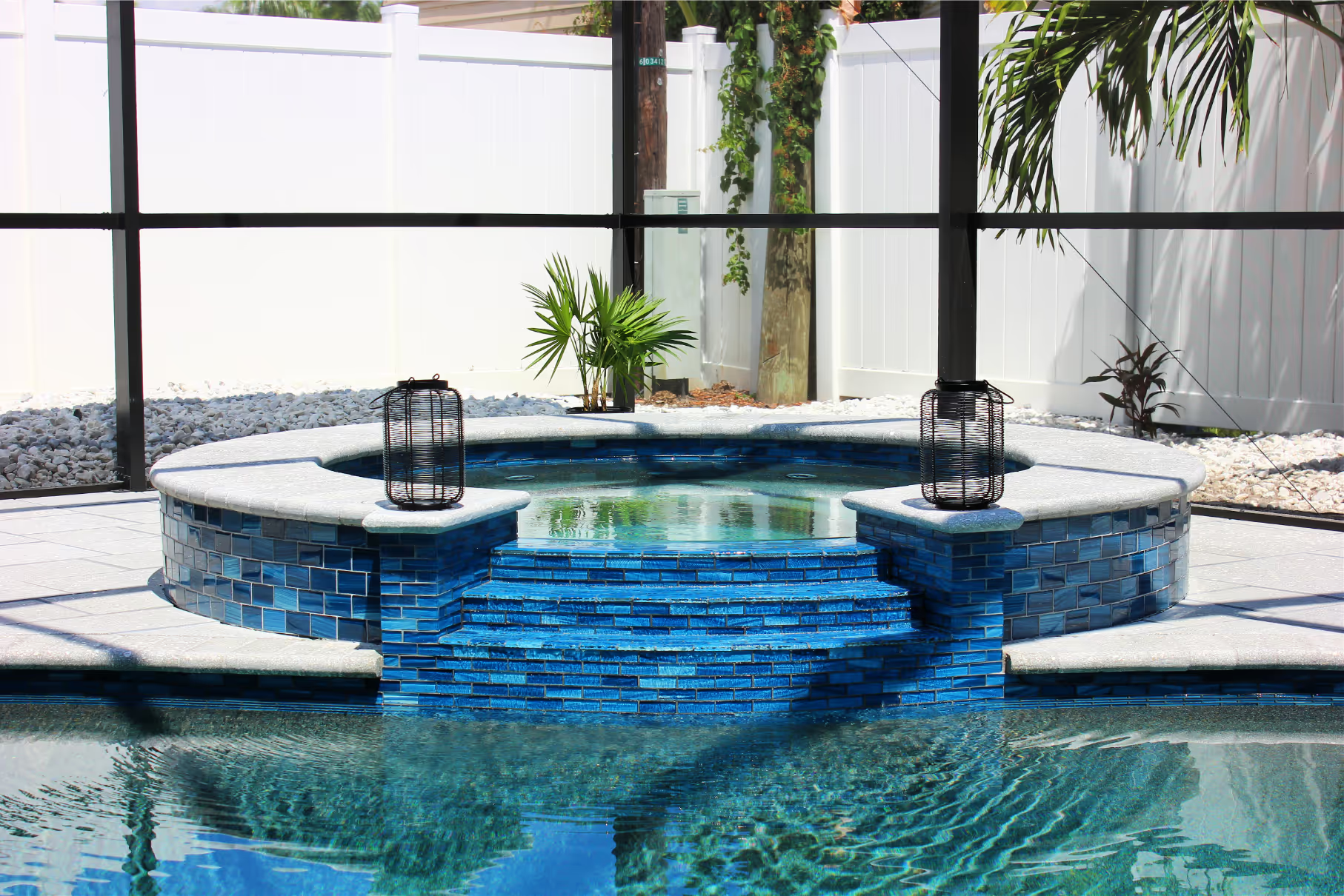
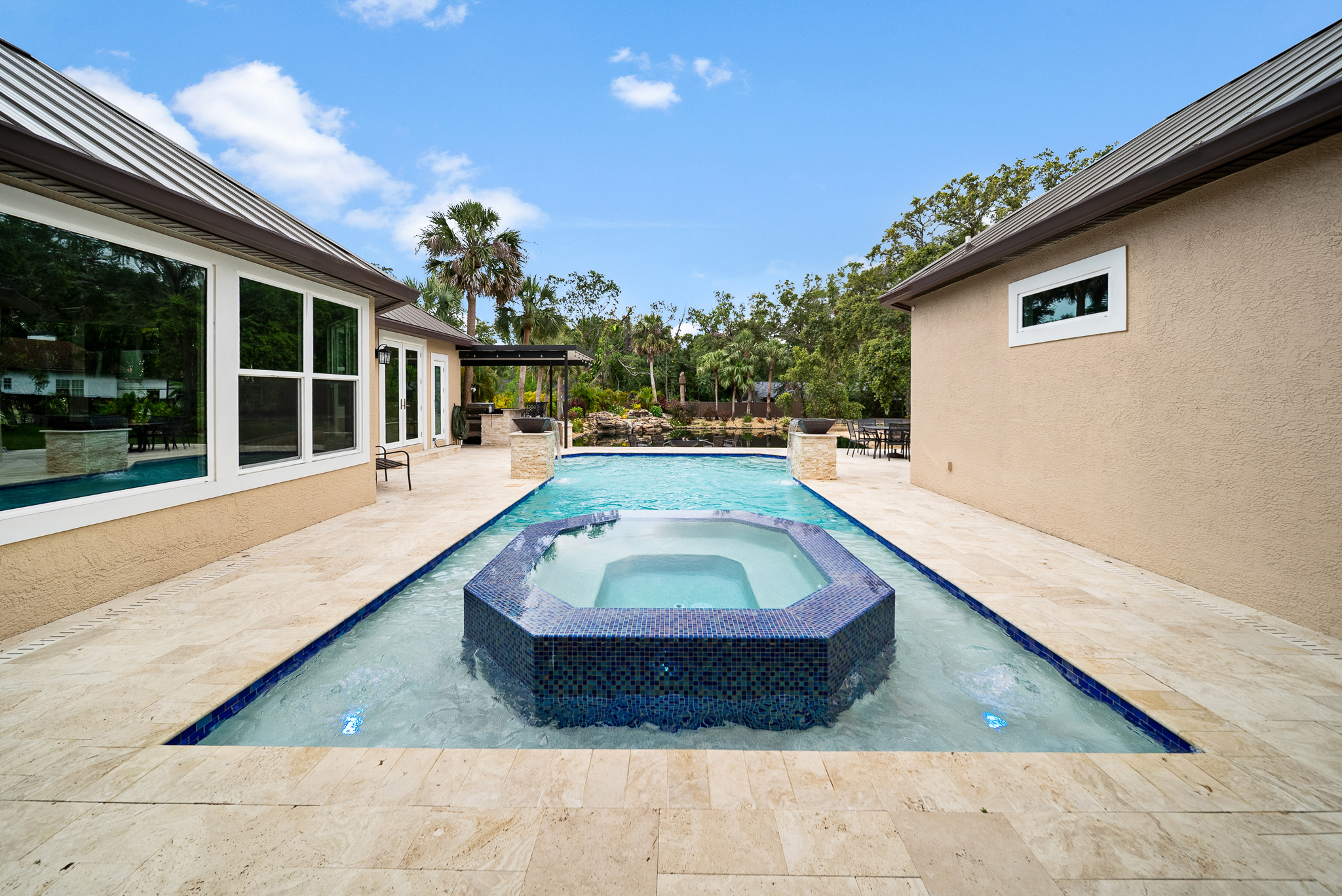
Shotcrete concrete pools hold a specific advantage in coastal environments like St. Pete Beach. Salt air accelerates corrosion on metals and degrades surface coatings faster than in inland settings, which makes material selection critical. Pool Perfection builds exclusively in concrete, which allows us to specify high-grade stainless steel hardware, salt-resistant finishes, and a structural shell rated for the site's soil and flood conditions. Fiberglass shells are manufactured off-site in factory molds, which limits shape options and means the buyer accepts whatever the mold allows. For a coastal property where the pool needs to fit a specific footprint or match a seawall line, the flexibility of a custom concrete build is the practical choice, not just a premium one.
Does Adding a Pool Increase Property Taxes in Florida?
Yes, and St. Pete Beach homeowners should plan for it. In Florida, a pool is classified as a permanent improvement, which triggers a reassessment of the property's taxable value. In Pinellas County, that typically means a 5 to 15 percent increase in assessed value, depending on the pool's size and appraised contribution to the property. For St. Pete Beach specifically, where median values for pool homes already sit above $675,000, the tax impact is real but proportional. The more relevant figure is the appreciation side: pools in waterfront Florida markets add an estimated 5 to 8 percent to resale value, and on a premium barrier island property, the outdoor environment is often a primary selling point. Pool Perfection can speak to the full investment picture from the construction side.