Custom Concrete Pool Builder in St. Petersburg, FL
Pool Perfection serves St. Petersburg homeowners with fully custom shotcrete pools, no prefab designs, and an efficient, organized build. 1,800+ pools built since 2004.
Schedule Your Consultation

We have built custom concrete pools across St. Petersburg for 22+ years. From Old Northeast bungalows to Snell Isle waterfront estates, every yard gets its own plan.
A Kenwood renovation and a Snell Isle new build call for different designs, site work, and structure. Older neighborhoods bring clay soil and mature tree canopies that shape drainage, excavation, and placement. Our record covers 1,800+ pools and a 4.7-star Google rating, and about 20% of our St. Pete jobs come from homeowner referrals.
Neighborhoods we build in
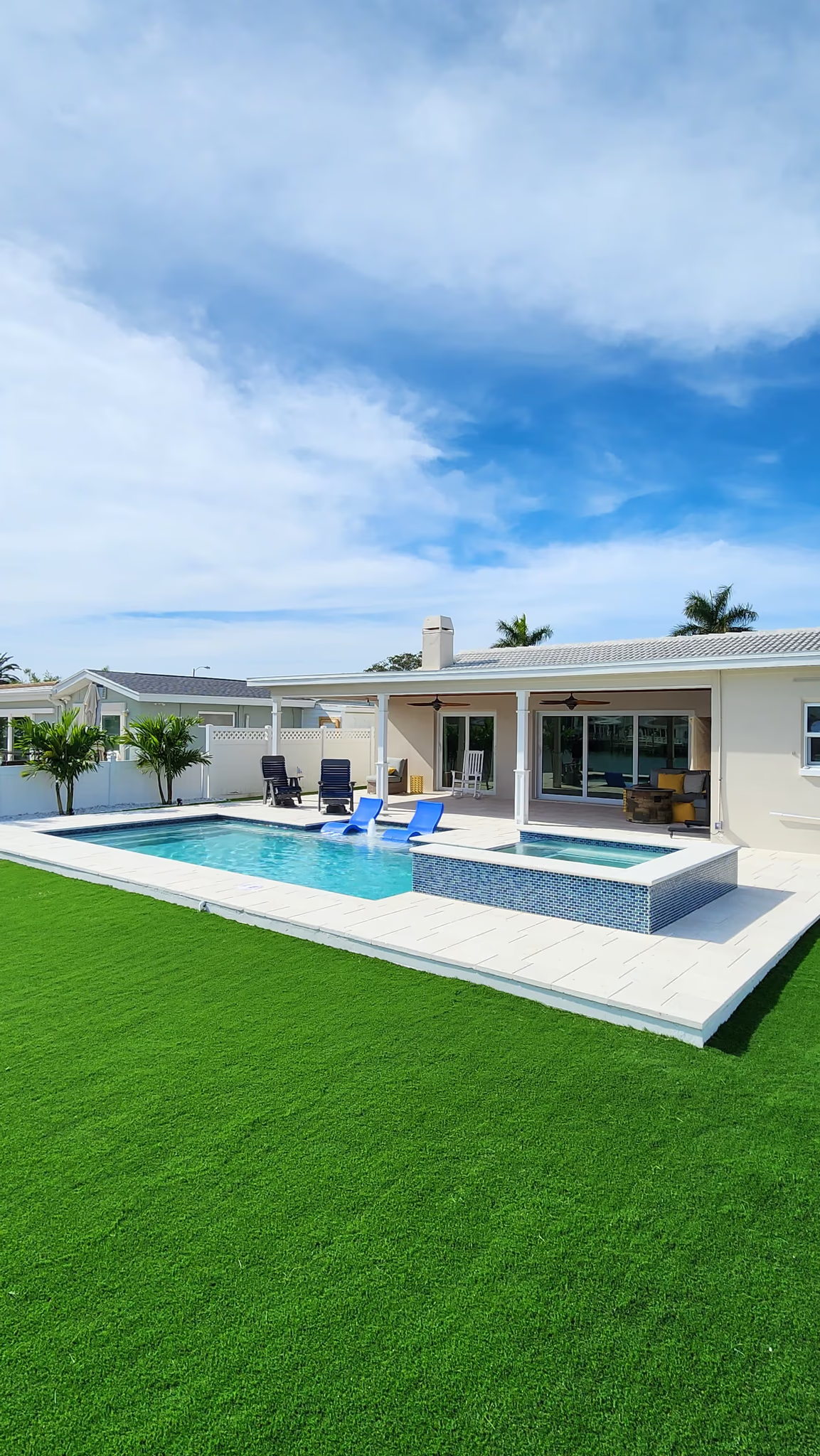
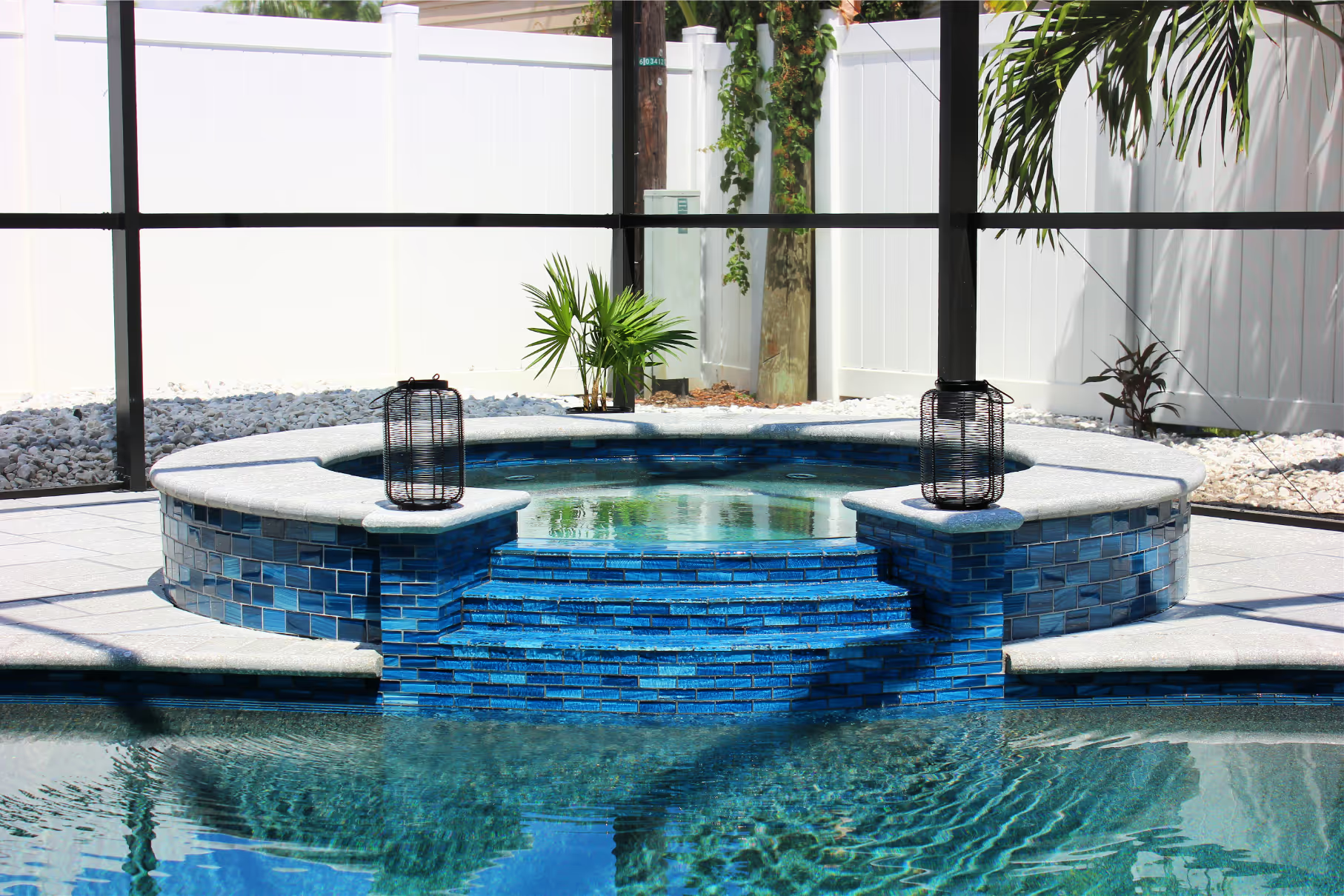
We build only in concrete, using shotcrete.
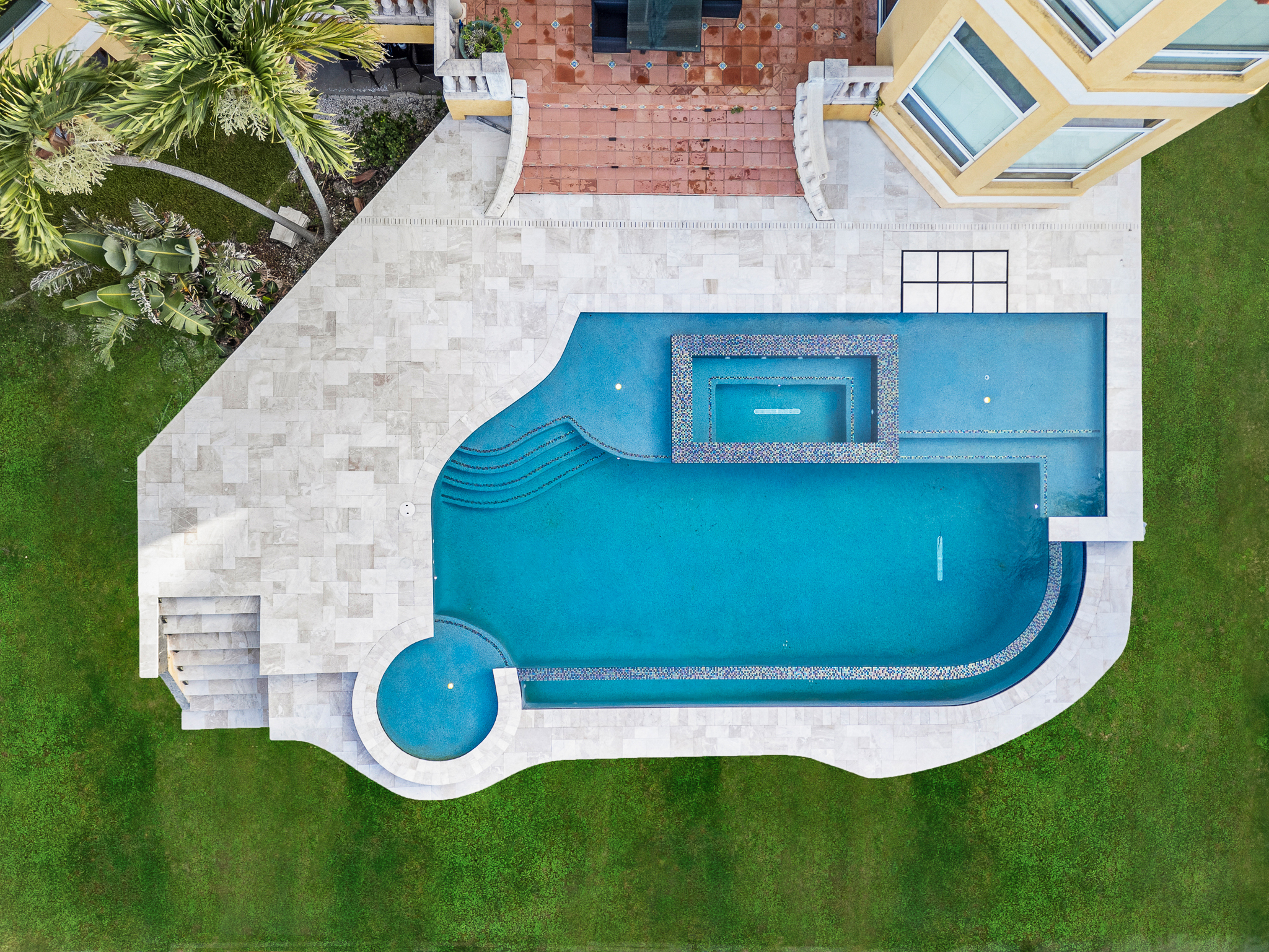
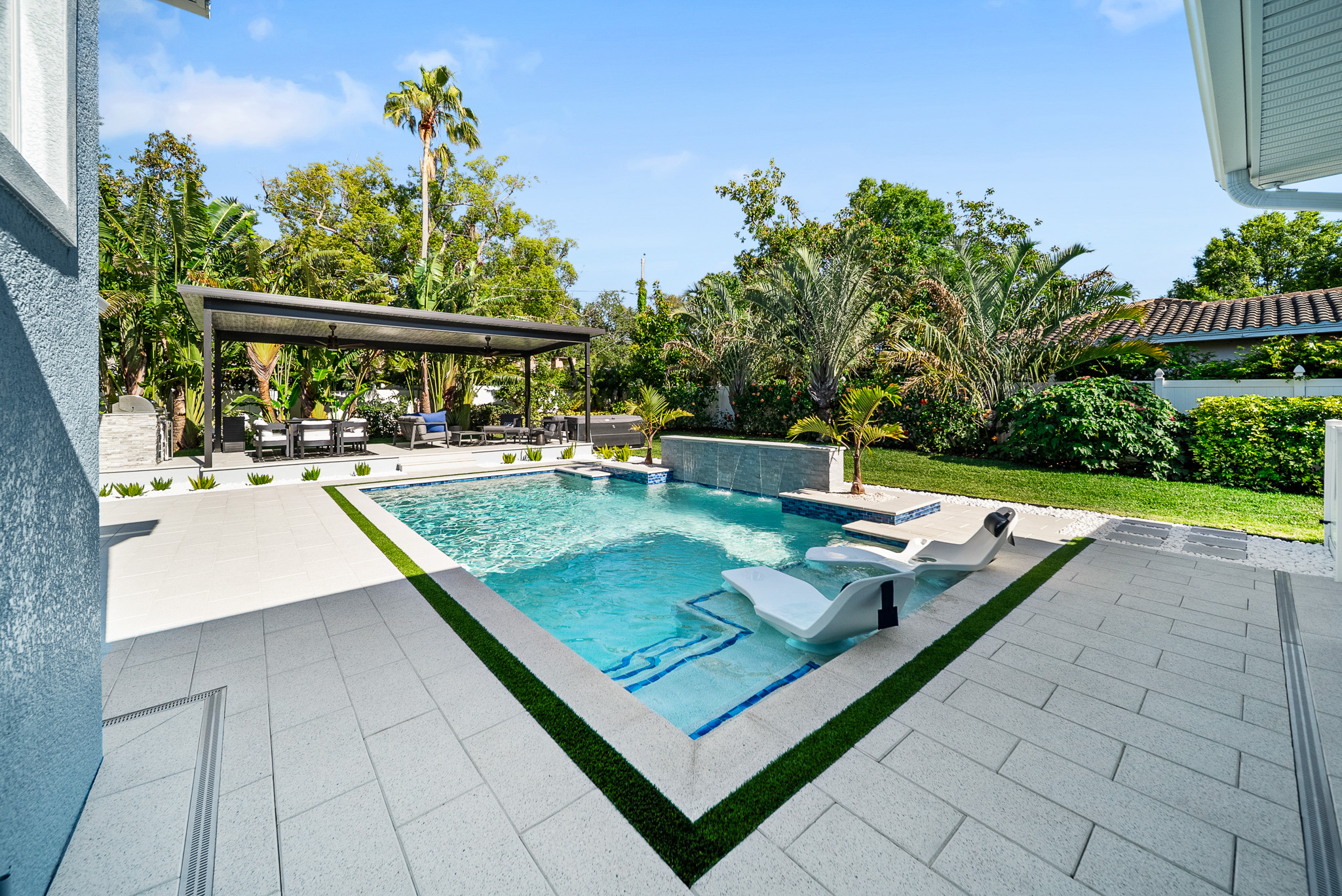
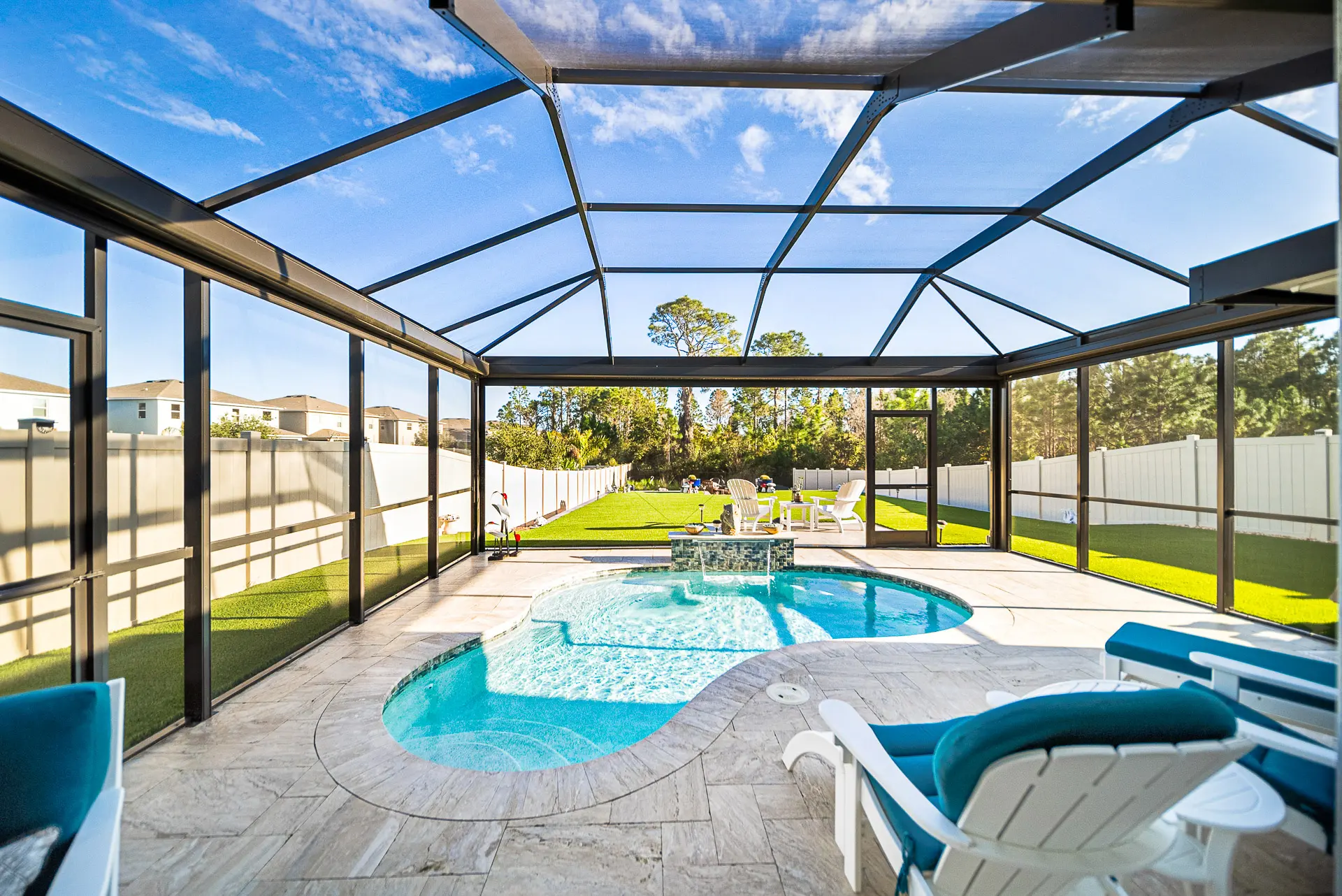
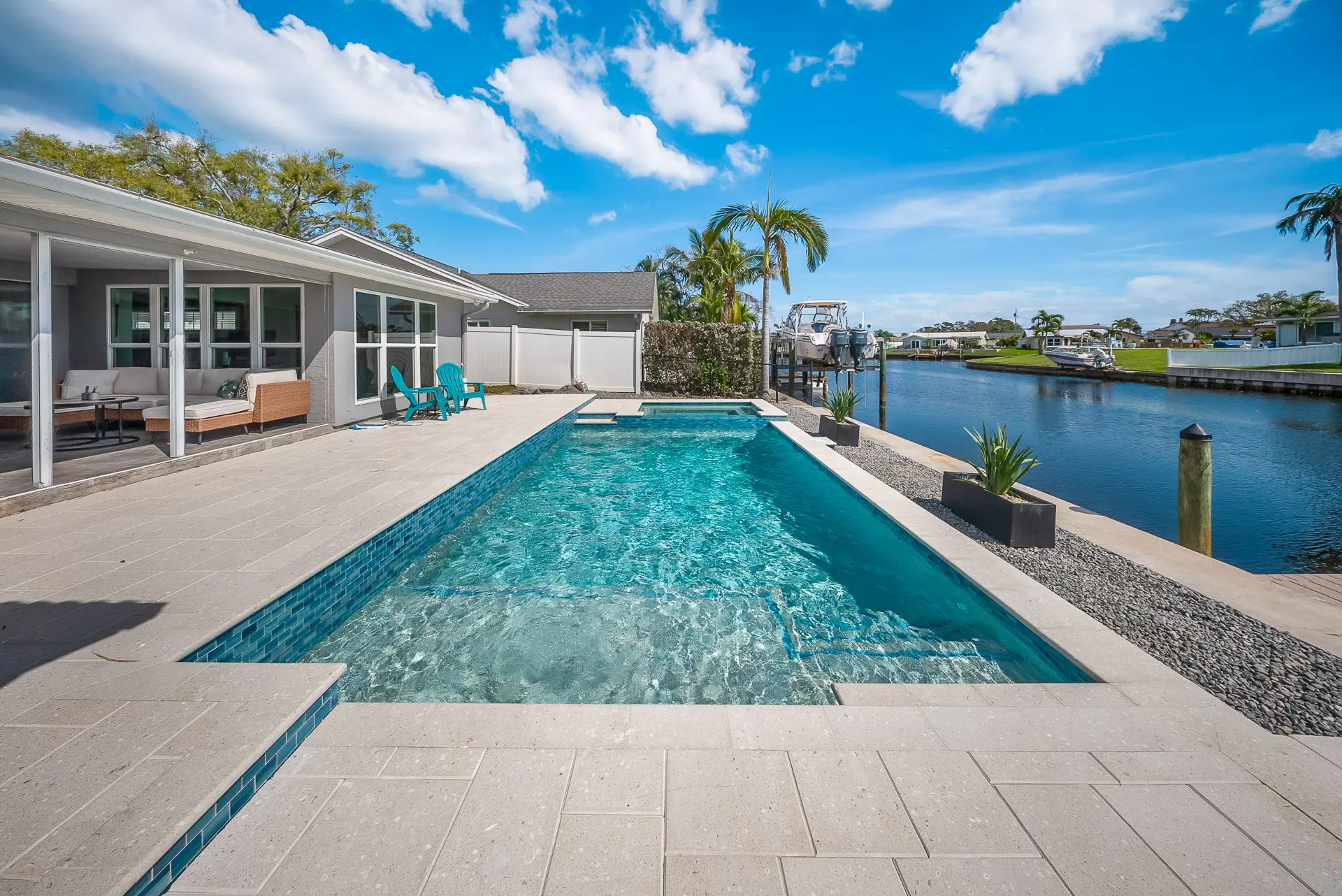
That lets a pool take any shape or depth your lot allows. In neighborhoods like Old Northeast or Pinellas Point, lots rarely match the rectangular molds fiberglass pools require. Each shell is engineered to the property, which matters most on small or irregular lots. Built and maintained well in Florida, a concrete pool lasts 50 years or more.

Our proprietary system ensures perfect coordination between subcontractors, so we deliver stunning pools on an efficient timeline without sacrificing quality. Love your pool sooner and stress-free!
We don’t believe in leaving you in the dark. Here’s how we keep you informed every step of the way:

Weekly Updates to keep you in the loop
A Customer Portal for easy access to plans and progress photos
Personalized support with direct communication from our team
Detailed 3D designs of your pool, so you know exactly what to expect
Kick-off Meeting to align expectations before work begins
Oh, and our team personally reaches out to ensure you’re thrilled with the process!




— David s, Tampa Bay

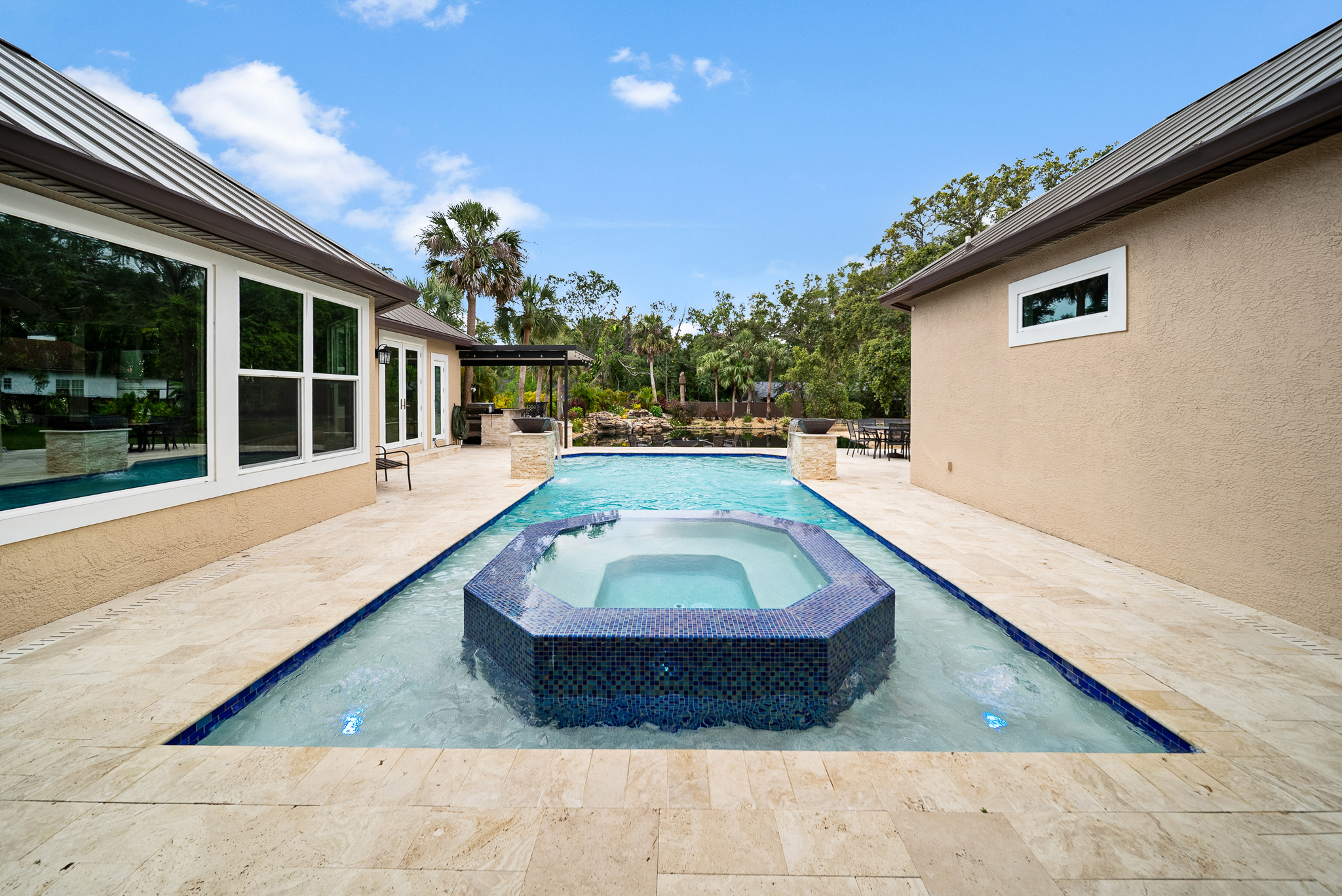
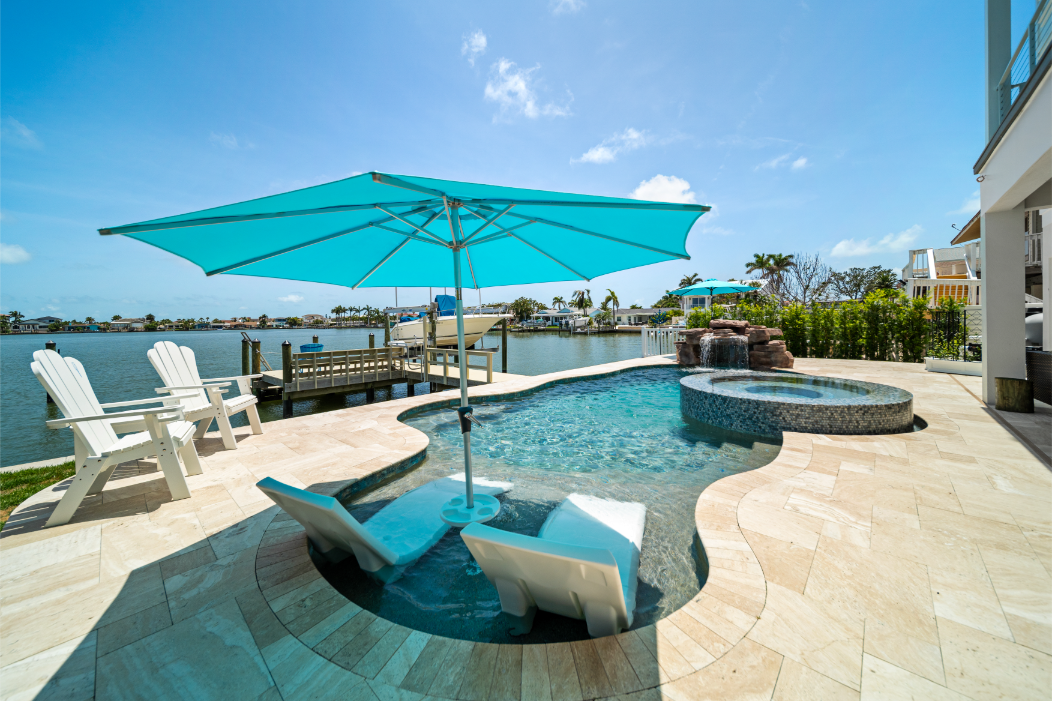
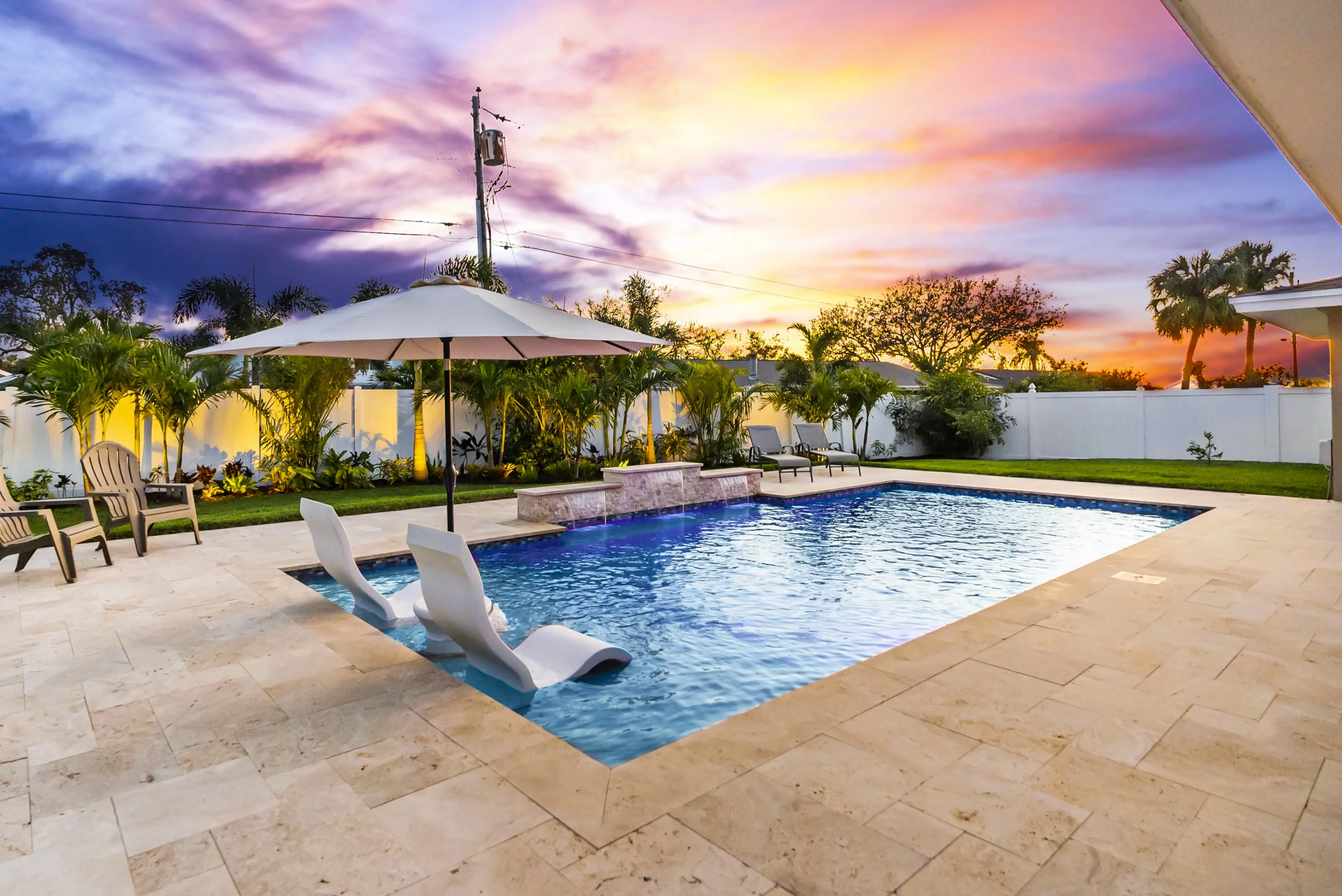
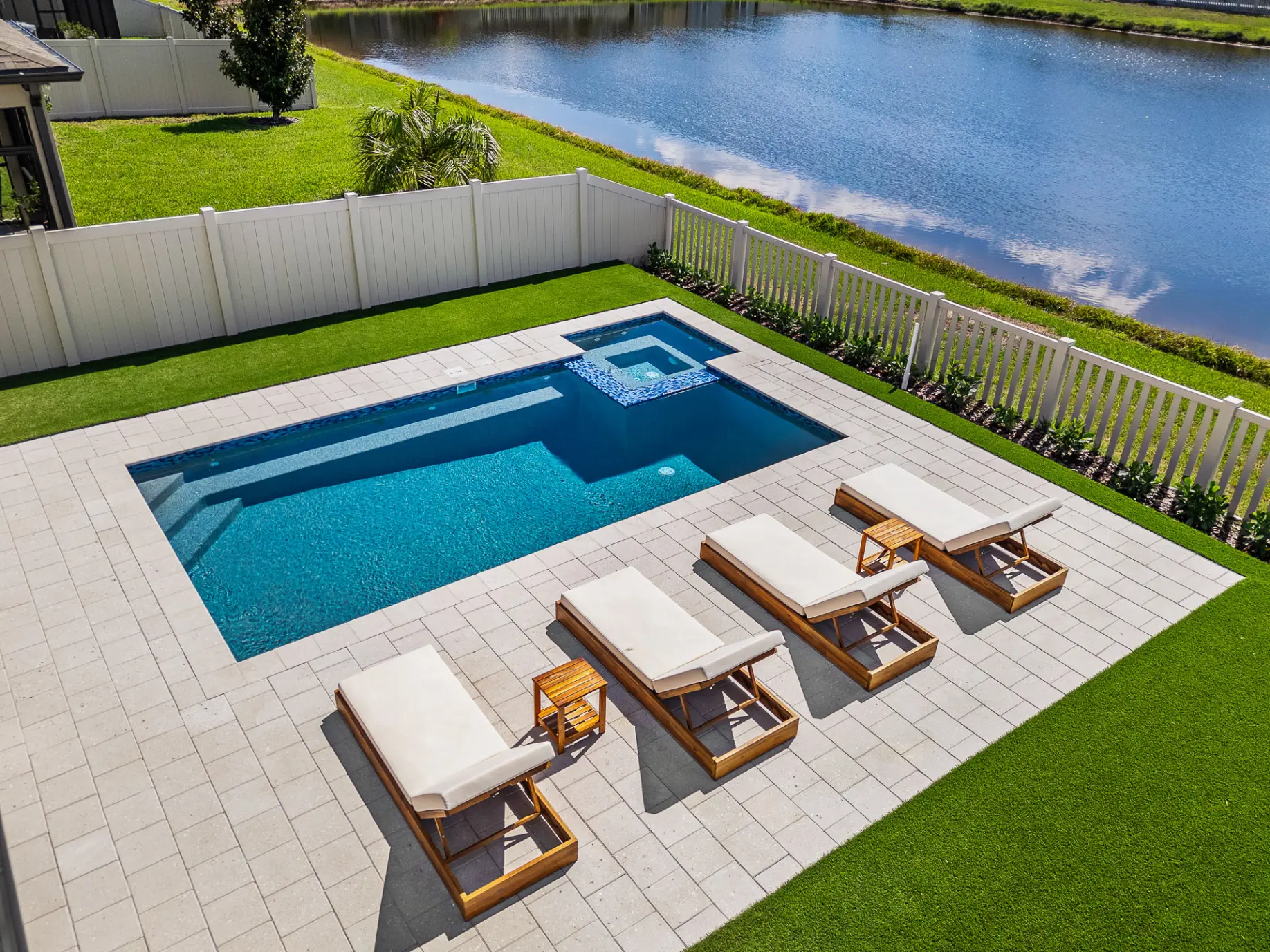
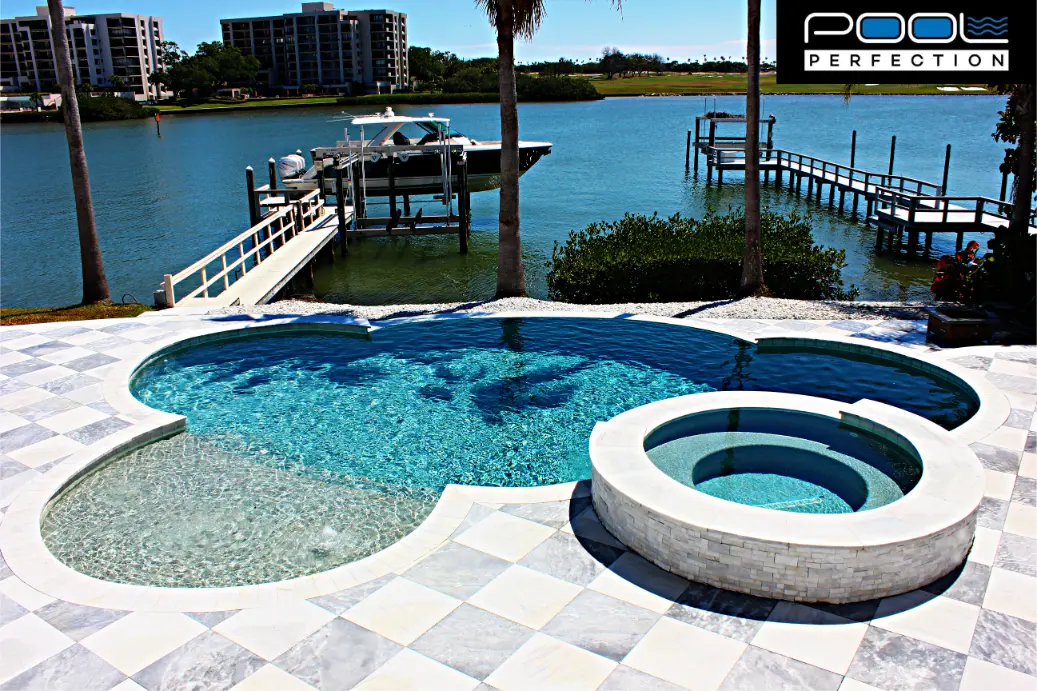
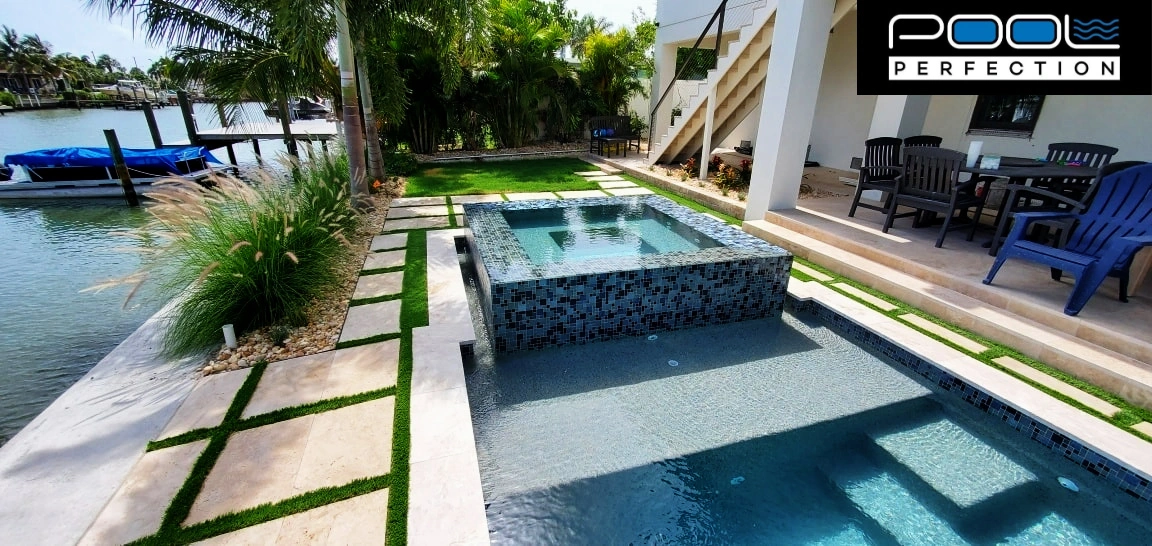

Why settle for ordinary, when you can have perfection? Book a design session with our team and we’ll walk through your ideas, budget, and timeline to come up with a 3D design and estimate for free.