Resurfacing vs. Full Renovation: What's the Difference?
Resurfacing replaces the interior surface of your pool, typically involving removing the old plaster and applying a new finish. It costs between $4,000 and $10,000 in Tampa and addresses cracking, staining, and roughness. Resurfacing is necessary maintenance every 10-15 years, but it's only one component of pool care.
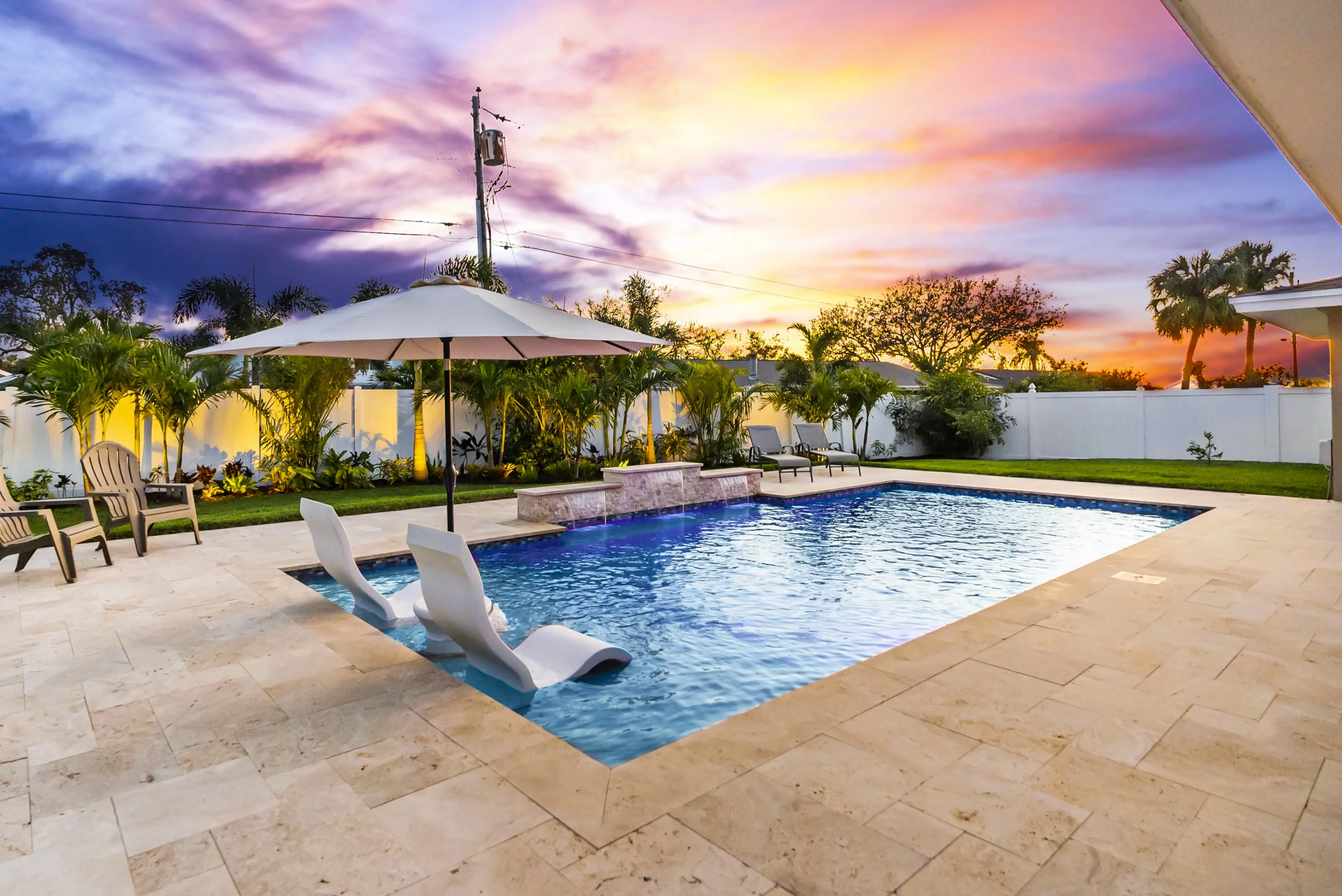
Full renovation goes deeper. It includes resurfacing, but also addresses structural issues, outdated equipment, worn tile and coping, poor circulation, inadequate lighting, and design elements that no longer fit your lifestyle. A renovation might add a spa where none existed, replace 20-year-old single-speed pumps with variable-speed models, install modern LED lighting, or completely redesign the waterline tile and deck coping.
Pool Perfection specializes in full-scope renovations for homeowners who want more than a surface fix. If your pool has good bones but feels outdated, a renovation delivers a modern, customized result without the expense of demolition and starting from scratch. We treat renovations as design projects, not repair jobs.
What a Pool Renovation Can Include
Concrete pools offer nearly unlimited renovation possibilities because the structure can be modified, not just refinished. Here's what Pool Perfection commonly includes in Tampa Bay and West Orlando renovations:
- Resurfacing with modern finishes: Choose from traditional plaster, pebble finishes like PebbleTec, marble dust blends, or ecoFINISH polymer coatings that resist staining and feel smooth underfoot.
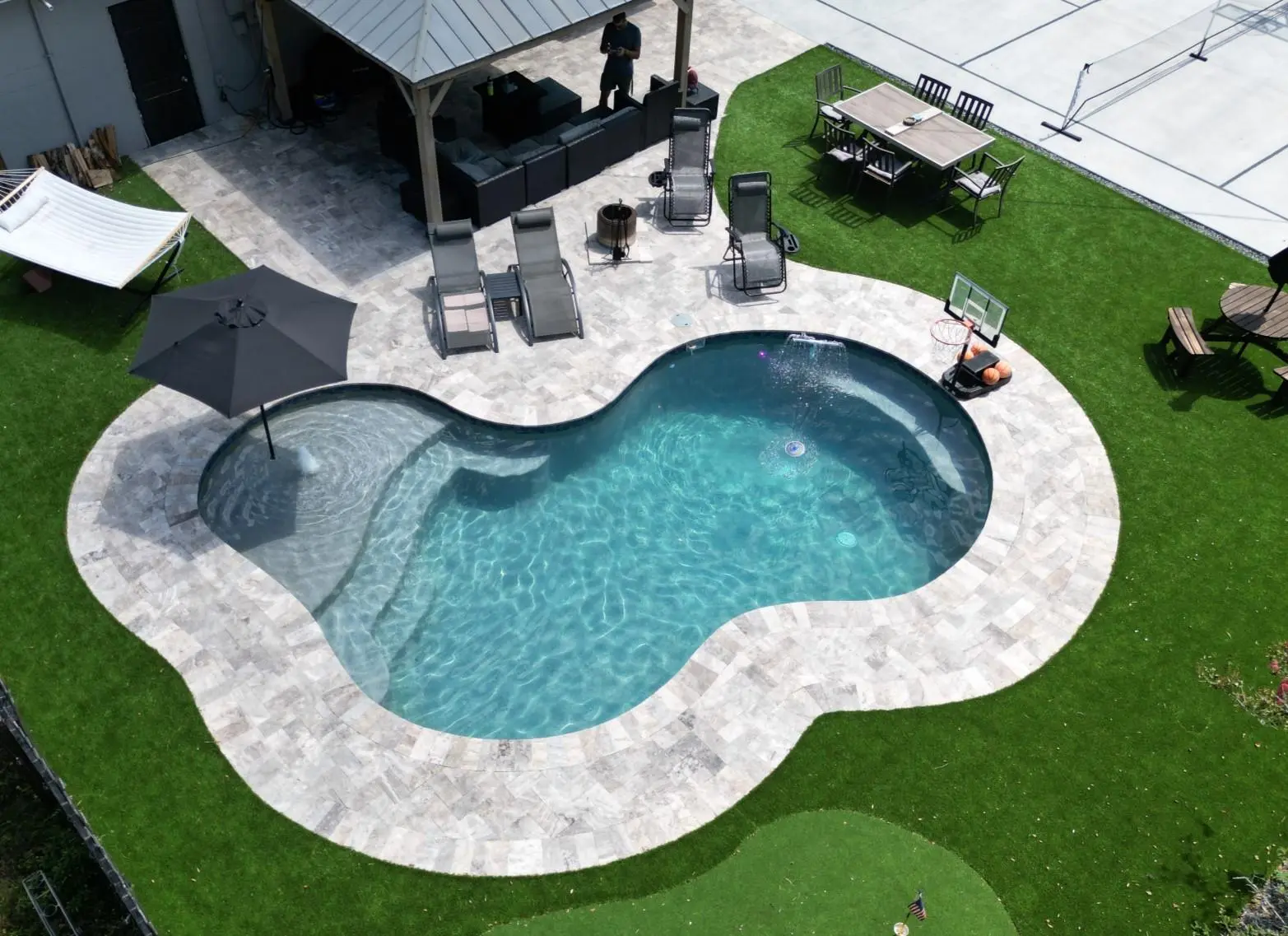
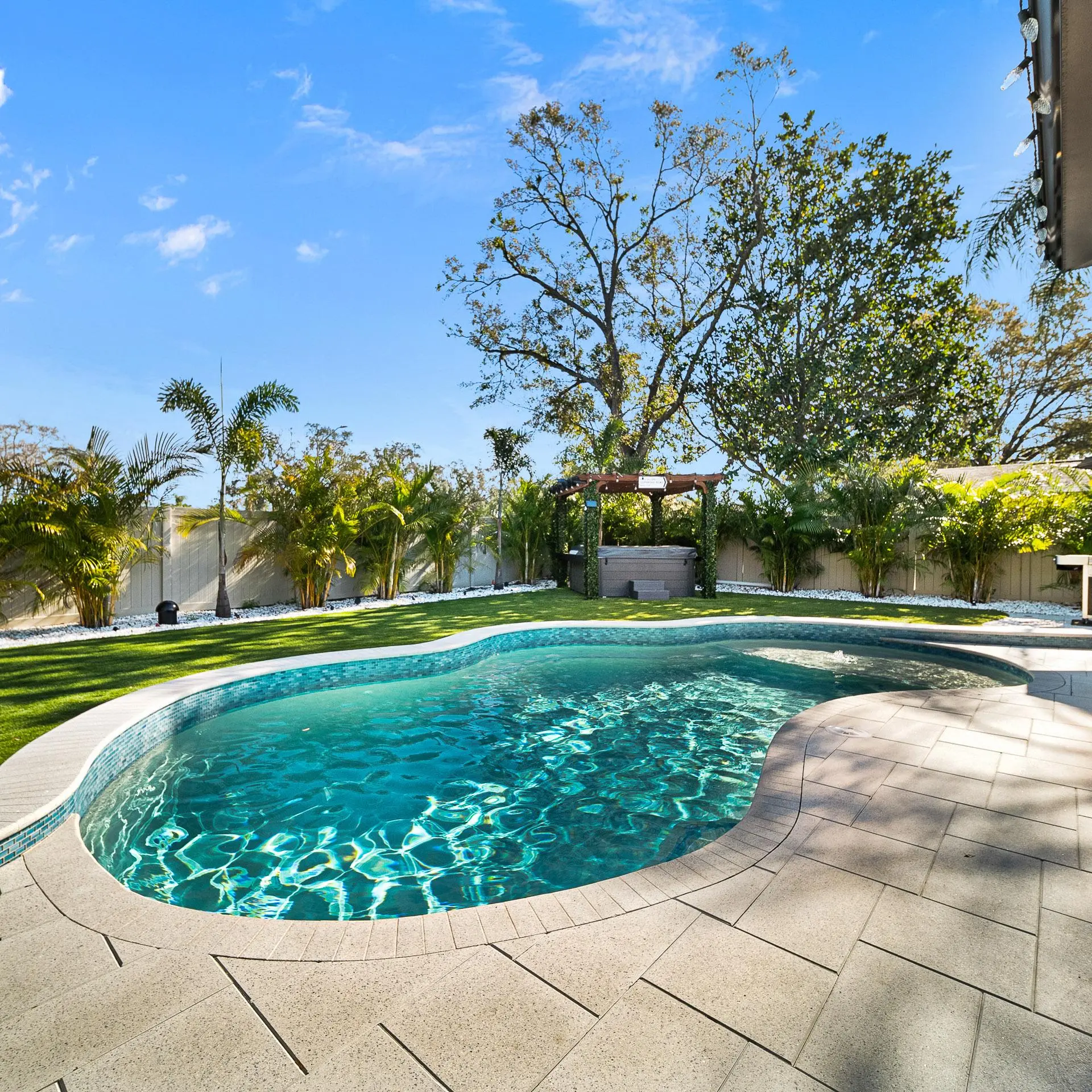
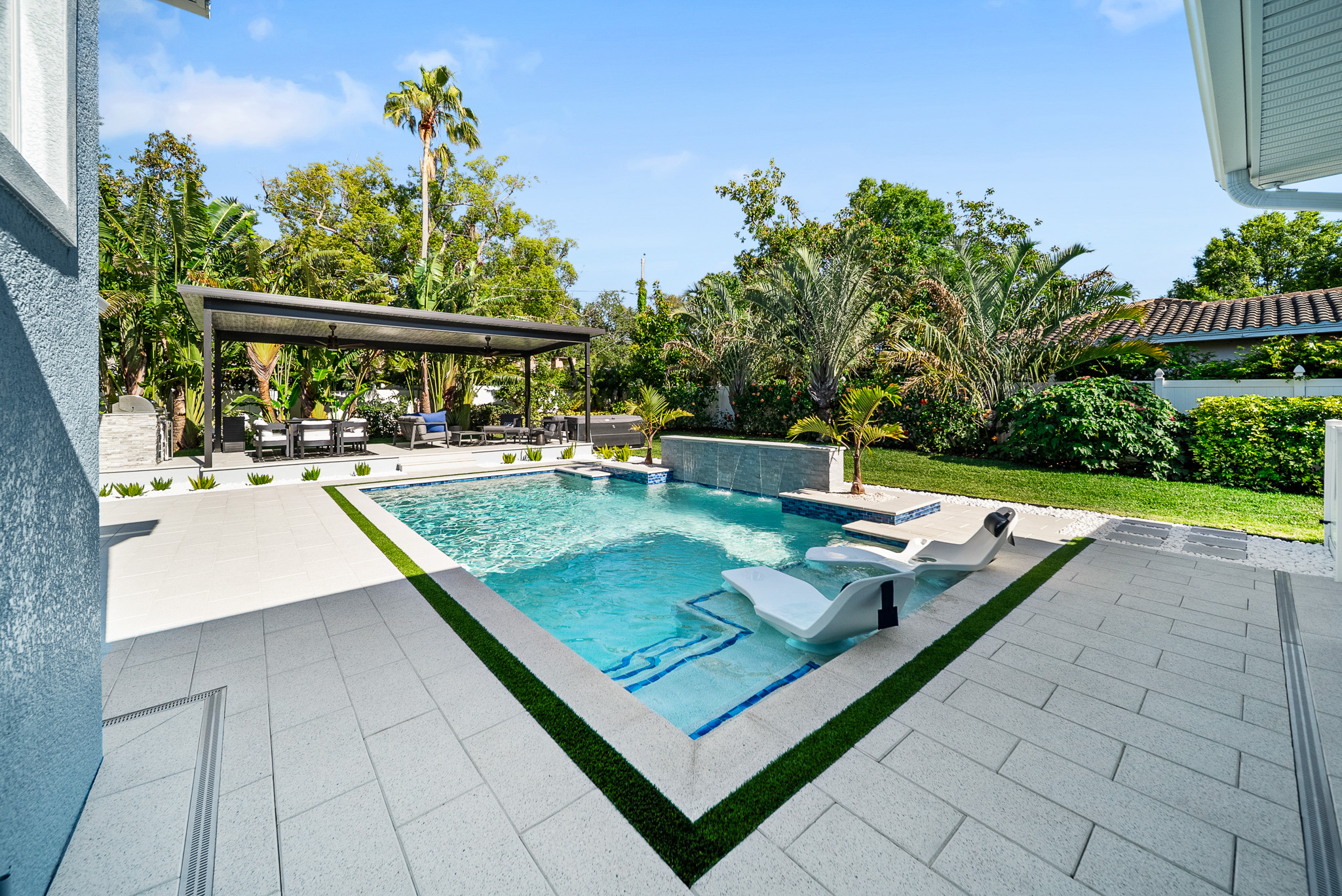
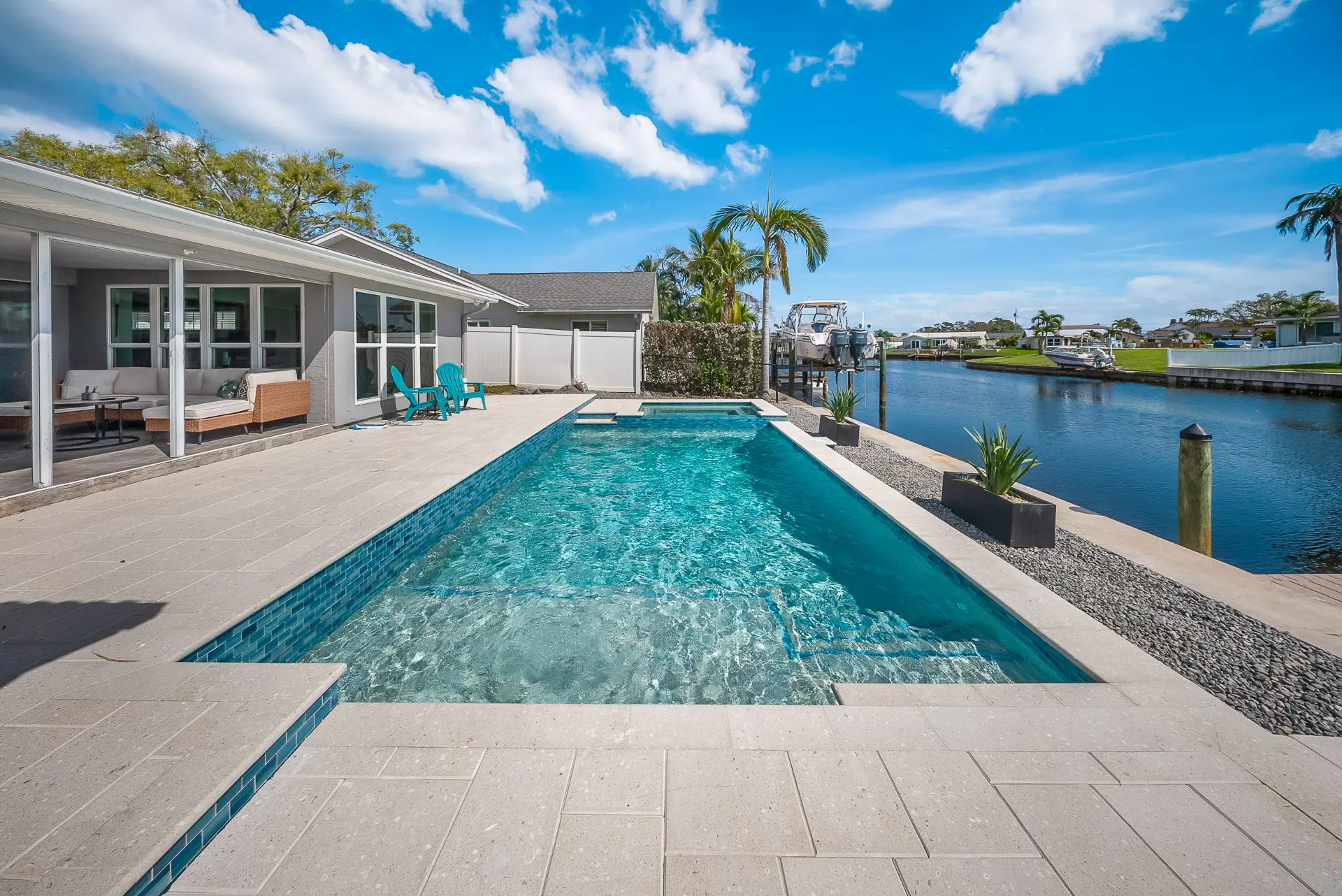
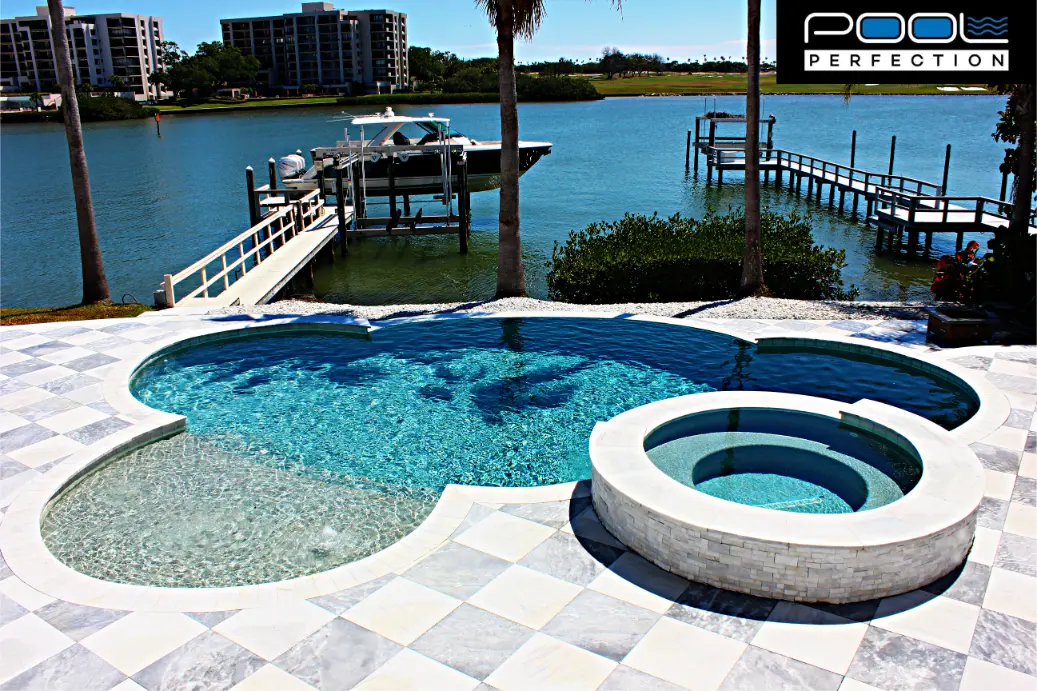
- Tile and coping replacement: Update the waterline tile with glass mosaics, natural stone, or modern porcelain. Replace old concrete coping with travertine, pavers, or cantilevered edges for a clean look.
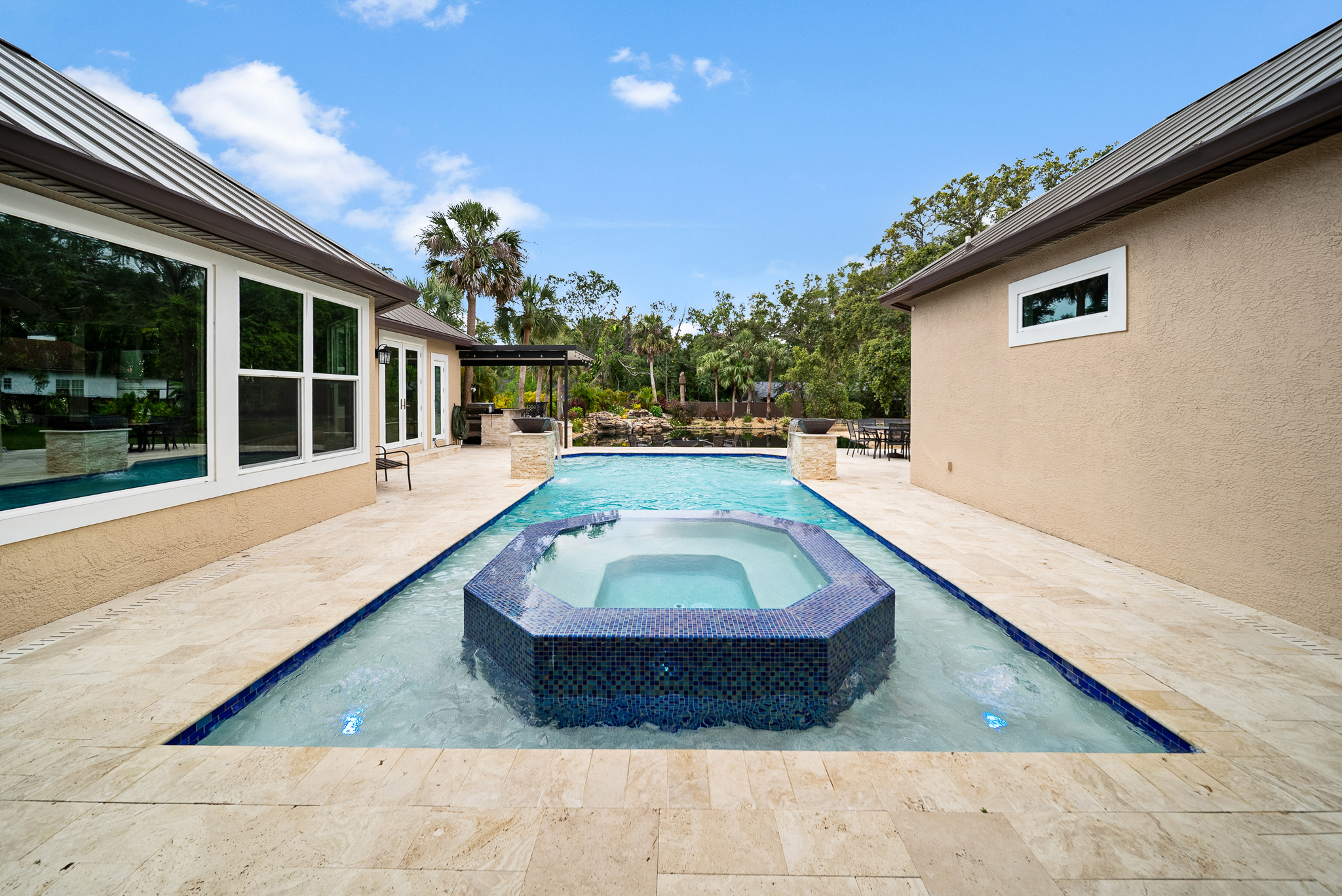
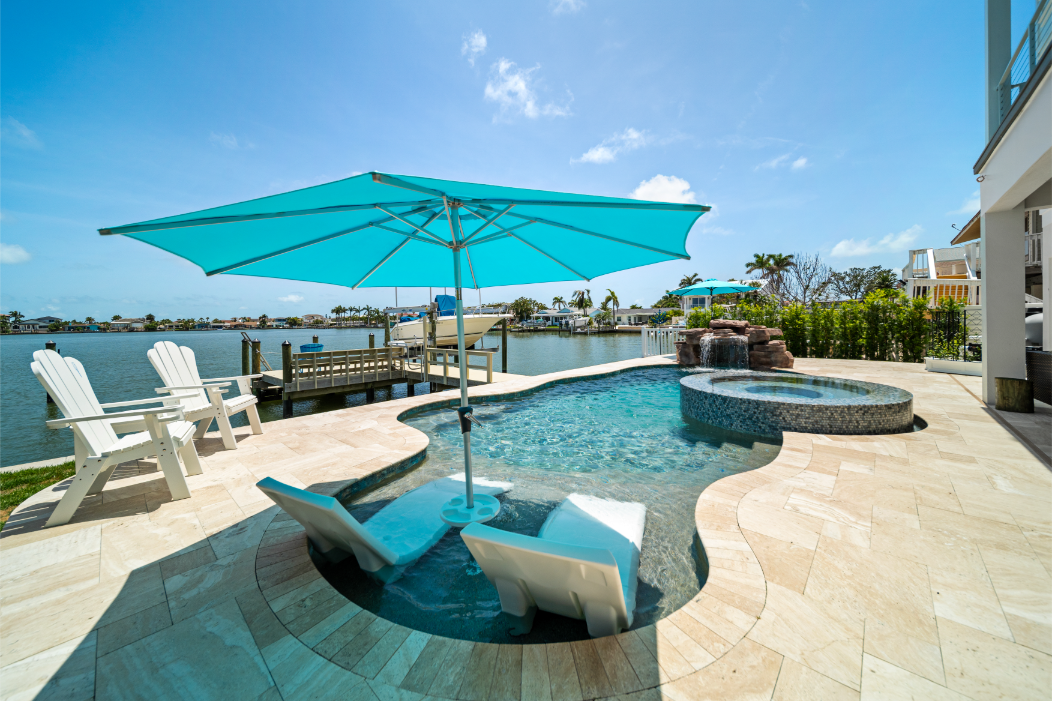
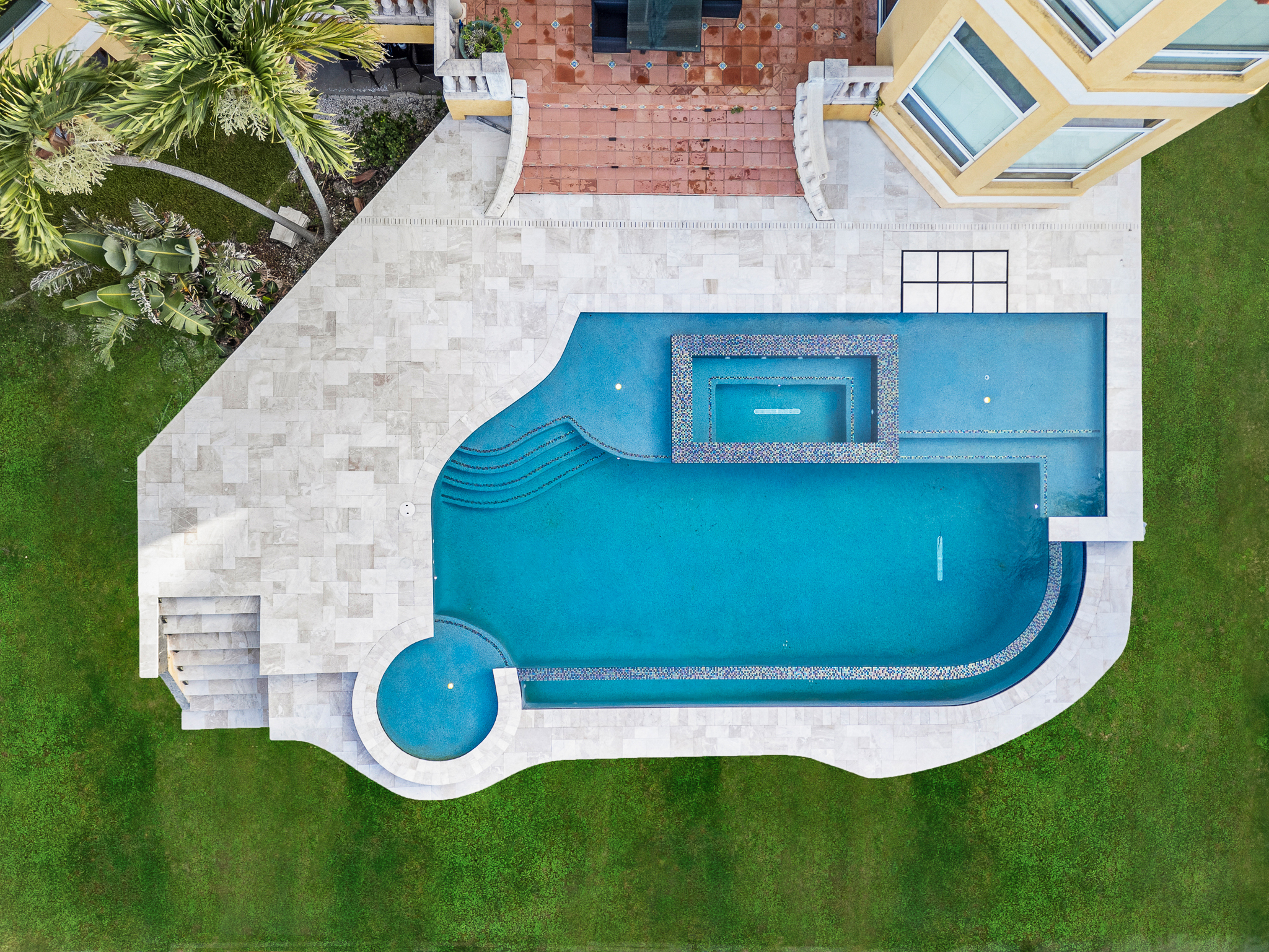
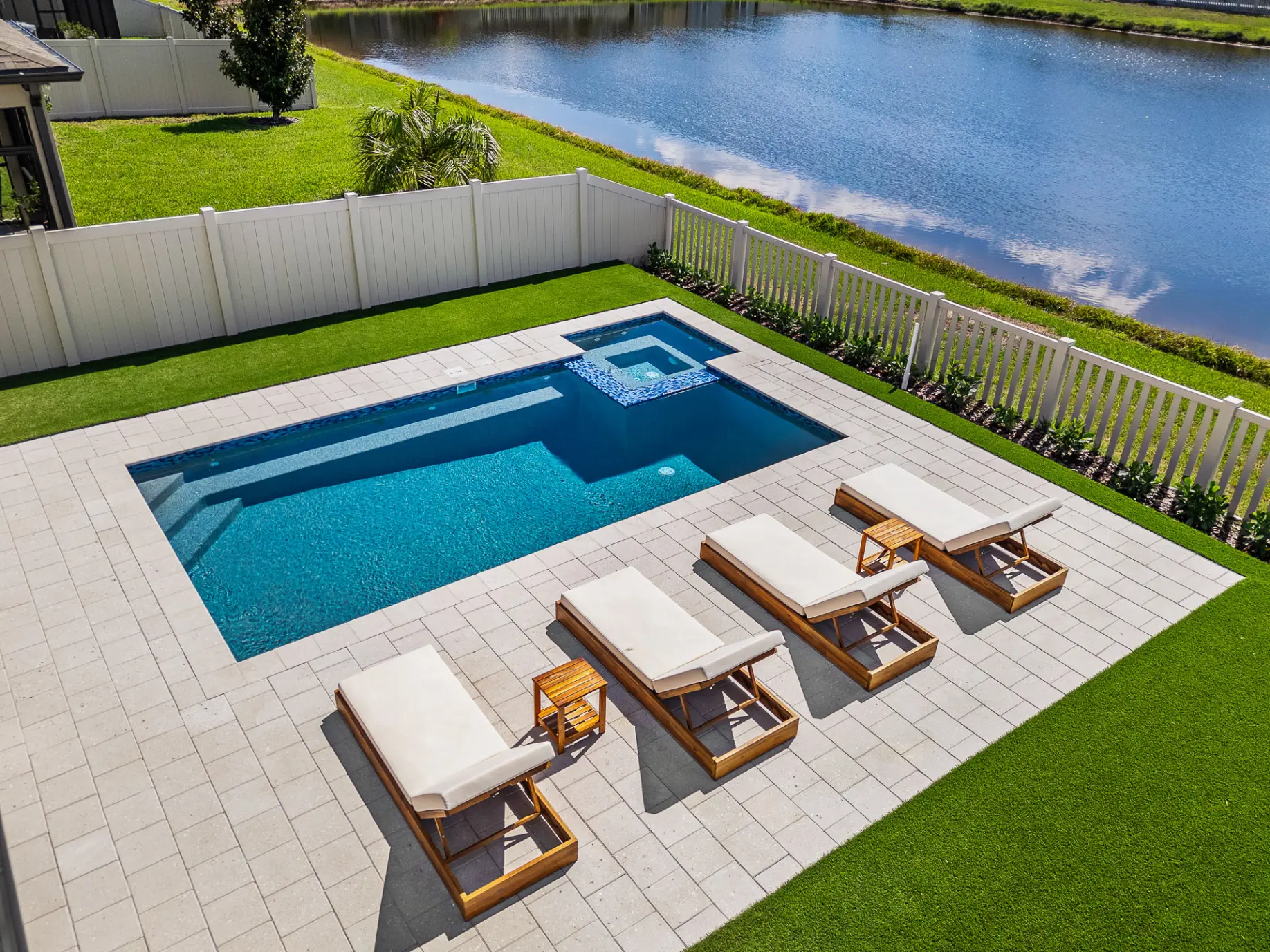
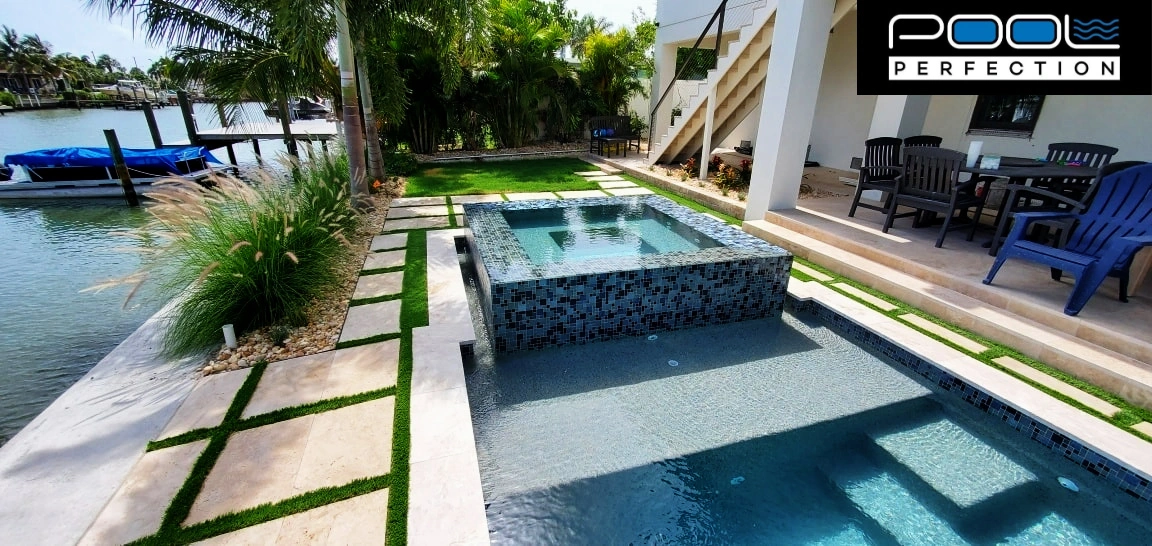
- Spa additions: Add an attached spillover spa, raised spa with waterfall feature, or separate hot tub integrated into the pool deck. Concrete pools accommodate structural changes that fiberglass can't.
- Tanning ledges and benches: Incorporate shallow lounging areas, in-pool seating, or sun shelves that weren't part of the original design.
- Lighting upgrades: Replace incandescent bulbs with LED systems that use less energy, last longer, and offer color-changing options controlled from your phone.
- Equipment modernization: Swap outdated pumps, filters, heaters, and chlorinators with energy-efficient models that lower operating costs and improve water quality.
- Automation and smart controls: Add systems that let you control temperature, lighting, jets, and water features remotely.
Each renovation is custom-designed based on your goals, budget, and how you use your pool. Some clients focus on cosmetic updates, while others transform the entire layout and functionality.
The Pool Perfection Renovation Process
We follow the same organized, transparent process for renovations that we use for new pool construction. It starts with an on-site consultation where we inspect your existing pool, discuss problems you're experiencing, and explore what you want to change. We measure the pool, assess structural condition, review equipment age, and photograph current finishes.
Within 48 hours of that consultation, we deliver a custom digital render showing your renovated pool. This 3D visualization includes new finishes, tile selections, added features like spas or tanning ledges, and updated lighting. You see the transformation before committing to construction.
Once you approve the design, we provide a detailed, itemized estimate that breaks down every component: resurfacing, tile, coping, equipment, labor, permits, and any structural modifications. No vague lump sums or surprise costs later. You know what you're paying for and why.
Construction follows a structured timeline. We handle all permits and inspections required by Tampa Bay and West Orlando municipalities, coordinate subcontractors for electrical and plumbing work, and manage the schedule to minimize disruption. The team checks in personally throughout the project to ensure quality and address questions. Timelines vary with the scope of work, and extensive structural changes extend the schedule accordingly.
During construction, we protect your property with temporary fencing and designated equipment staging areas. We drain the pool, remove old finishes down to the shell, make any structural modifications, apply new surfaces, install equipment, and handle final tile and coping work. The process is disruptive but predictable. We communicate daily about progress and any adjustments needed.
At the final walkthrough, we review every detail, demonstrate new equipment and controls, and ensure you're completely satisfied before closing the project.
Cost Factors for Pool Renovations in Tampa Bay and West Orlando
Renovation costs vary widely based on scope. Resurfacing alone runs $4,000 to $10,000 depending on pool size and finish type. If you're adding a spa, upgrading equipment, replacing tile and coping, and installing new lighting, the investment grows accordingly.
Pool Perfection's renovations typically start at $30,000 and can exceed $150,000 for comprehensive transformations that include spas, major structural changes, luxury finishes, and complete equipment overhauls. We serve homeowners across Tampa Bay and West Orlando who want a custom, high-end result, not a quick patch job.
What affects the final cost:
- Pool size: Larger pools require more materials and labor for resurfacing, tile, and coping.
- Finish selection: Traditional plaster is the most affordable. Pebble finishes, glass tile, and ecoFINISH cost more but offer superior durability and aesthetics.
- Structural modifications: Adding a spa, tanning ledge, or bench involves excavation, rebar, shotcrete, plumbing, and electrical work beyond surface updates.
- Equipment upgrades: Variable-speed pumps, gas heaters, saltwater systems, and automation add cost but reduce long-term operating expenses.
- Tile and coping materials: Porcelain and glass tile cost more than ceramic. Natural stone coping costs more than precast concrete.
- Permits and inspections: Required by Pasco County, Tampa, and St. Petersburg, and Orange County for structural changes or electrical work.
We provide transparent, itemized estimates during the free design consultation so you understand exactly what you're investing in and what you're getting back.
Signs Your Pool Needs Renovation
Concrete pools in Florida typically need resurfacing every 10-15 years due to chlorine exposure, UV damage, and general wear. If you're seeing these signs, it's time to consider renovation:
- Surface deterioration: Cracks, chips, rough patches, or exposed aggregate in the plaster indicate the finish is failing.
- Persistent staining: Brown, green, or gray stains that don't respond to cleaning suggest the plaster is porous and absorbing metals or algae.
- Outdated equipment: Single-speed pumps, old cartridge filters, and inefficient heaters waste energy and money. Modern equipment pays for itself in lower utility bills.
- Broken or dim lighting: If your pool lights don't work or you're still using incandescent bulbs, upgrading to LED improves safety and ambiance.
- Worn tile and coping: Cracked, loose, or dated tile and coping make the pool look old and can create safety hazards.
- Functional limitations: If you wish your pool had a spa, shallow lounge area, or better seating, a renovation can add those features.
- Aesthetic mismatch: Pools built 15-20 years ago often look dated compared to modern outdoor living spaces. Renovation brings the design current.
If your pool checks two or more of these boxes, a renovation delivers better value than ongoing repairs and maintenance on a deteriorating structure. Older pools also tend to have circulation problems that lead to dead spots where debris accumulates and algae grows. A renovation can address plumbing layout, add return jets in strategic locations, and improve water flow patterns for easier maintenance and cleaner water.
Why Concrete Pools Are Ideal for Renovation
Concrete pools can be modified structurally in ways fiberglass and vinyl liner pools cannot. Because the shell is poured and formed on-site, you can cut into it, add features, change depths, and redesign elements without replacing the entire pool.
Want to add a spa? We excavate the adjacent area, pour a new concrete shell, and connect it to the existing pool with plumbing and spillover features. Want to add a tanning ledge? We modify the interior to create a shallow shelf. Fiberglass pools come as a single molded piece, so structural changes aren't possible.
Concrete also accepts any finish type. You can resurface with traditional plaster, upgrade to a pebble finish, or apply a polymer coating. Tile and coping options are unlimited because we're working with a solid, stable structure. The structural flexibility means you're not locked into the original design. If your family's needs have changed since the pool was built, a renovation adapts the pool to match how you actually use it now.
Pool Perfection has built over 1,800 concrete pools in Tampa Bay. That expertise translates directly to renovation work. We understand how concrete behaves in Florida's climate, how to reinforce structural modifications, and how to match new work cleanly with existing construction.
Tampa Bay and West Orlando Considerations for Pool Renovation
Renovating a pool in Tampa Bay or West Orlando involves local factors that affect timeline, cost, and design:
- Permits and inspections: Most renovations require building permits from your municipality. Structural changes, electrical work, and gas line modifications all trigger permit requirements. Pool Perfection handles the paperwork, coordinates inspections, and ensures compliance with Tampa, Pasco County, and St. Petersburg, and Orange County codes. We know which jurisdictions are stricter and plan accordingly.
- Hurricane-resistant design: If you're adding equipment or features, we ensure they meet Florida's wind load and storm surge requirements. Electrical components are installed above flood zones, and structural work is engineered to handle high winds.
- Saltwater proximity: Pools near the coast face accelerated deterioration from salt air. If you're in St. Petersburg, Clearwater, or other coastal areas, we recommend finishes and materials that resist corrosion and salt damage.
- Weather and timeline: Florida's rainy season runs June through September. We schedule renovations year-round but build weather contingencies into the timeline. Most projects stay on track despite occasional rain delays.
- Soil and drainage: Tampa Bay's sandy soil drains well, which helps during excavation for spa additions or structural changes. West Orlando properties often involve larger lot sizes in master-planned communities, which can require additional HOA architectural review before renovation begins. We assess drainage and community requirements during the consultation to prevent future issues.