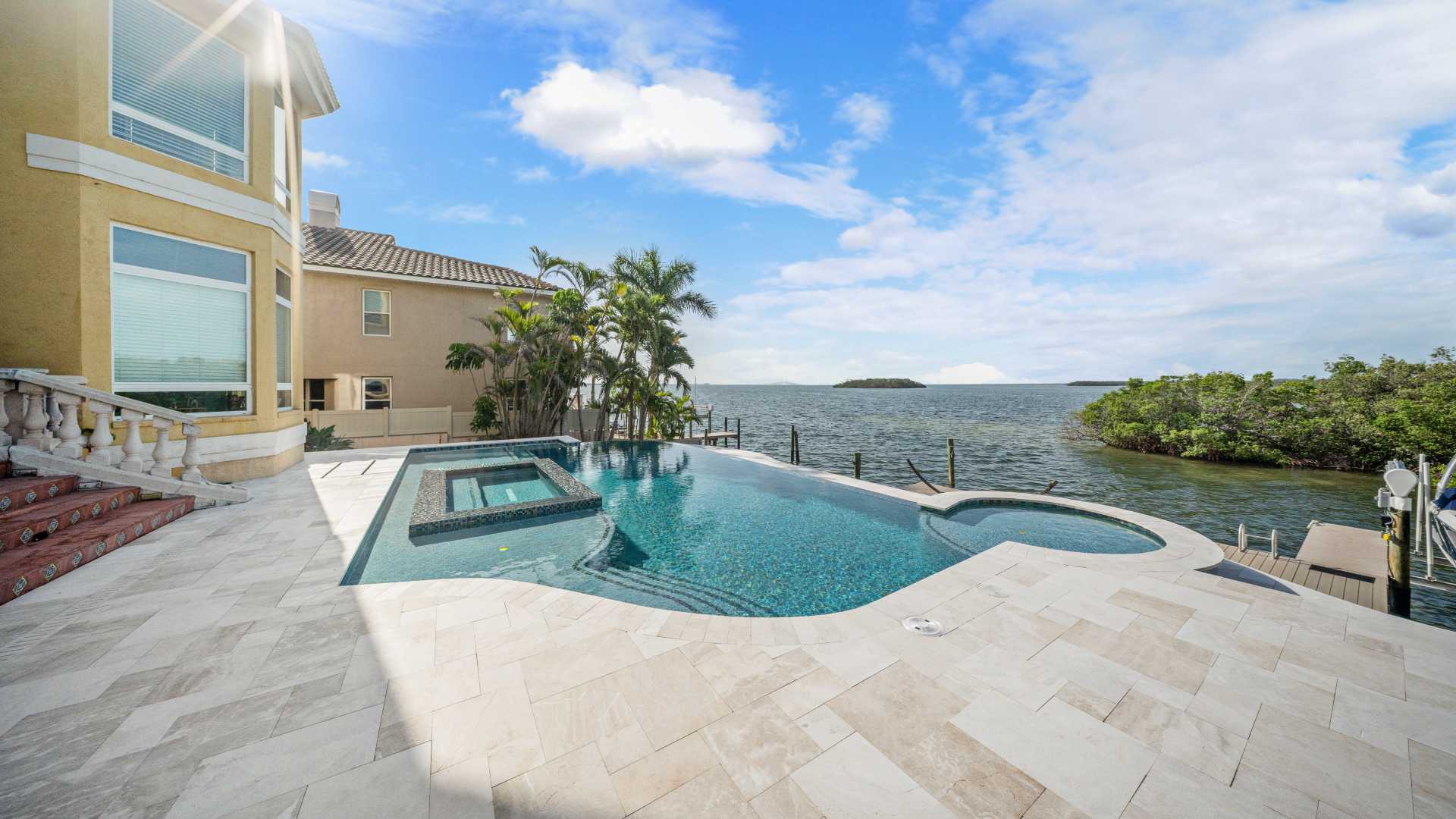
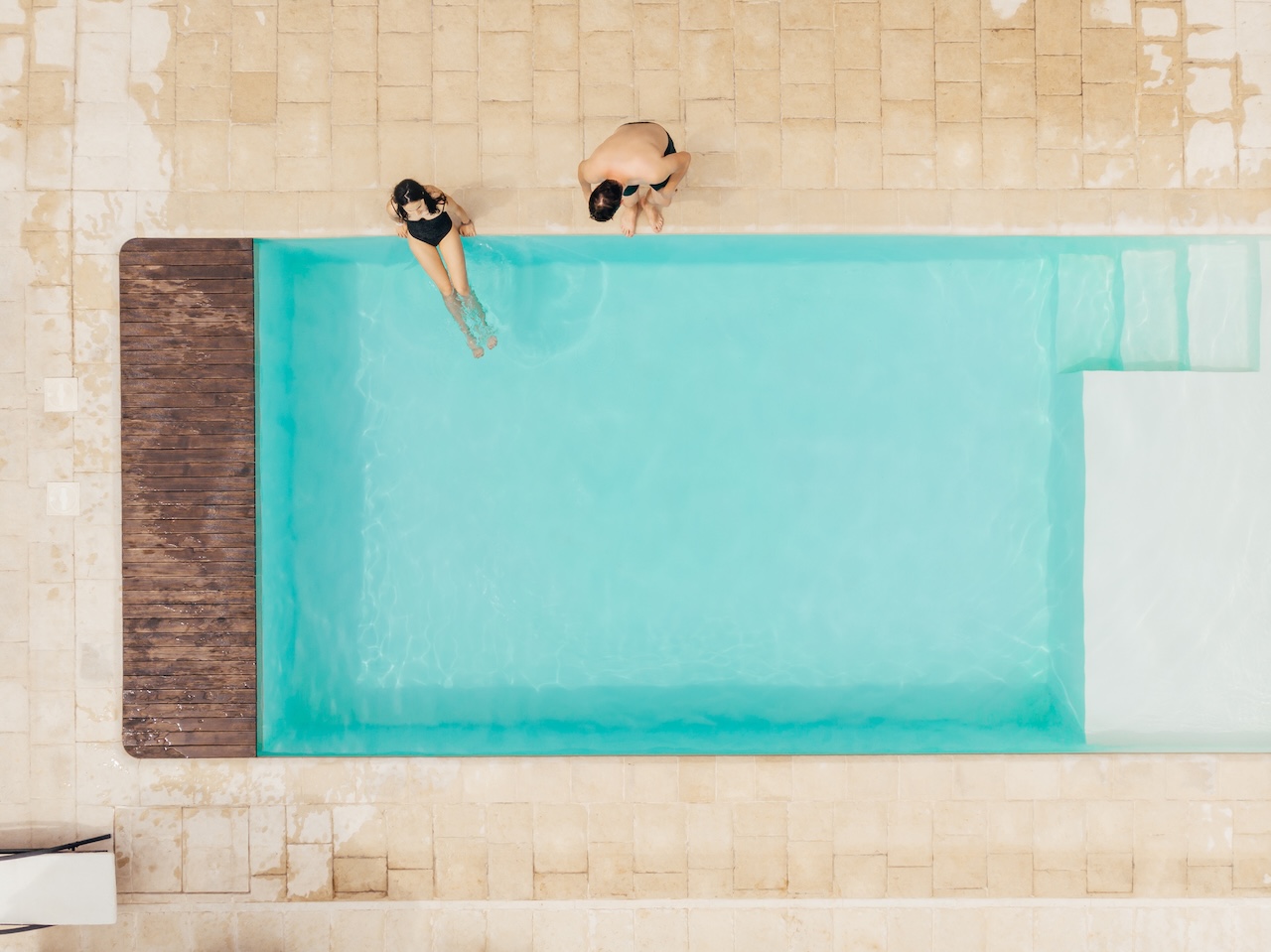
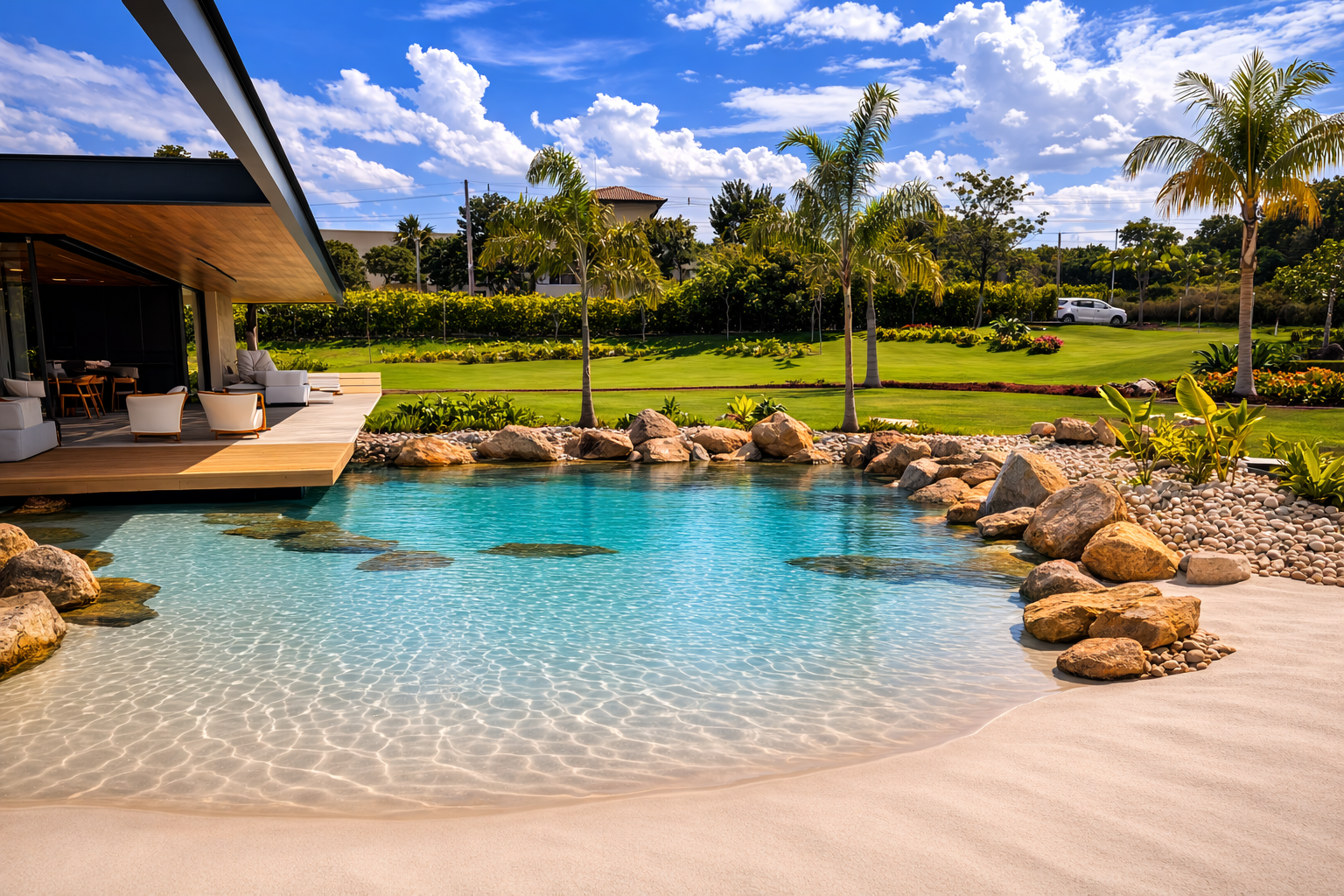
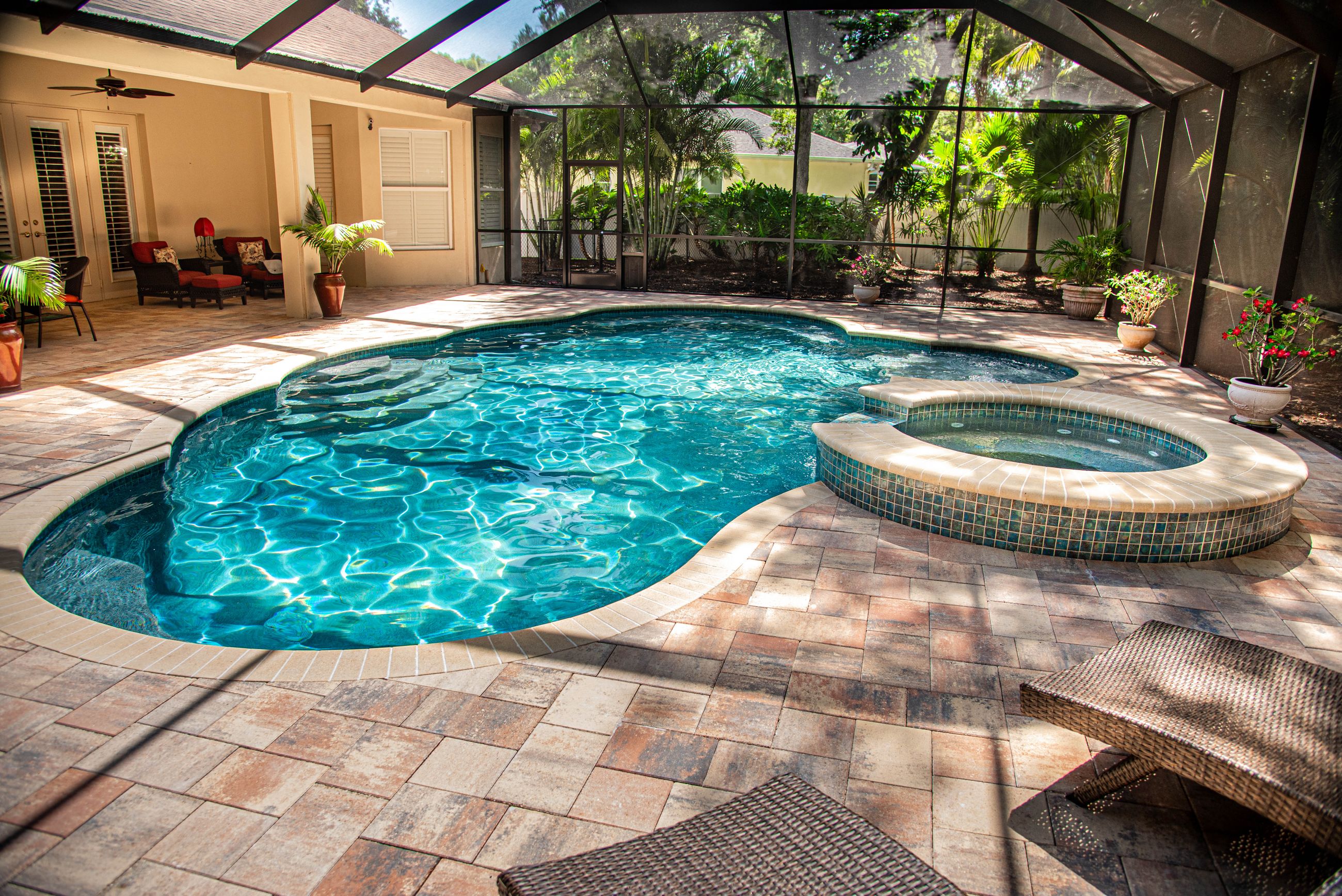
What is Pool Decking and Why Does it Matter
A pool deck is the surface that surrounds your swimming pool, and it plays a much larger role than many homeowners realize. Unlike the coping at the water’s edge, the deck is where you walk, lounge, sunbathe, and entertain. The material you choose directly affects comfort, safety, and the overall appearance of your outdoor space. A well-chosen surface guides the flow of your pool deck plans, supports your landscaping style, and helps create a luxurious backyard environment.
Before selecting any materials, it is important to understand that not all surfaces perform the same. The materials your pool and deck are built with, and the quality of installation, influence durability, temperature, traction, and long term appearance. Making informed choices early helps prevent common issues and ensures your pool area remains beautiful, functional, and comfortable for years to come.
Important Factors When Choosing Pool Decking
Choosing the right surface for your pool deck is an important decision. A luxury backyard deserves a material that performs well, looks beautiful, and supports the way you plan to enjoy the space.
Thermal Comfort
In warm climates, the way a decking material handles heat can dramatically impact your experience. Some surfaces become painfully hot after a few hours of sunlight, while premium options like travertine or specialized porcelain stay much cooler. Homeowners who entertain often or spend long afternoons by the pool benefit from surfaces that remain comfortable for barefoot walking. Evaluating thermal comfort helps ensure your deck supports relaxation rather than limiting how and when you can use it.
Slip Resistance and Drainage
A pool environment naturally brings moisture, so the right level of traction is essential for safety. Materials with a textured finish help feet grip the surface, even when it is wet. Proper pool deck drainage also plays a major role by moving water away quickly so puddles do not form. A decking material that balances surface grip and effective drainage creates a safer, more enjoyable environment for families, guests, and anyone moving around the pool.
Durability and Chemical Resistance
Your pool deck faces constant exposure to sunlight, splashing water, outdoor furniture, and water treatment products. Materials that resist fading, staining, and surface wear will maintain their appearance and function for many years. Durability is especially important for luxury pools because the deck is a large visual element. When you choose a surface that can handle chlorine, saltwater, and UV rays, you protect your investment and reduce the need for repairs or resurfacing.
Aesthetic Appeal and Design Flexibility
A pool deck should complement the style of your home and elevate the design of your backyard. Natural stones like travertine and marble offer unique veining and color variations that make each installation feel custom. Porcelain provides clean lines and modern textures. Your deck material sets the tone of your outdoor space and helps create a cohesive look.
Decking also adds more visible color to your outdoor area than almost any other element, which makes material choice especially important. Different surface types can dramatically change the atmosphere, from rustic to modern to resort-inspired.
Comparing Pool Deck Materials
Many materials can create a beautiful pool deck, but luxury backyards depend on surfaces that deliver comfort, performance, and a consistent high-end feel. Each material offers its own strengths, climate benefits, and maintenance expectations, so understanding how they differ helps you choose the option that best fits your vision.
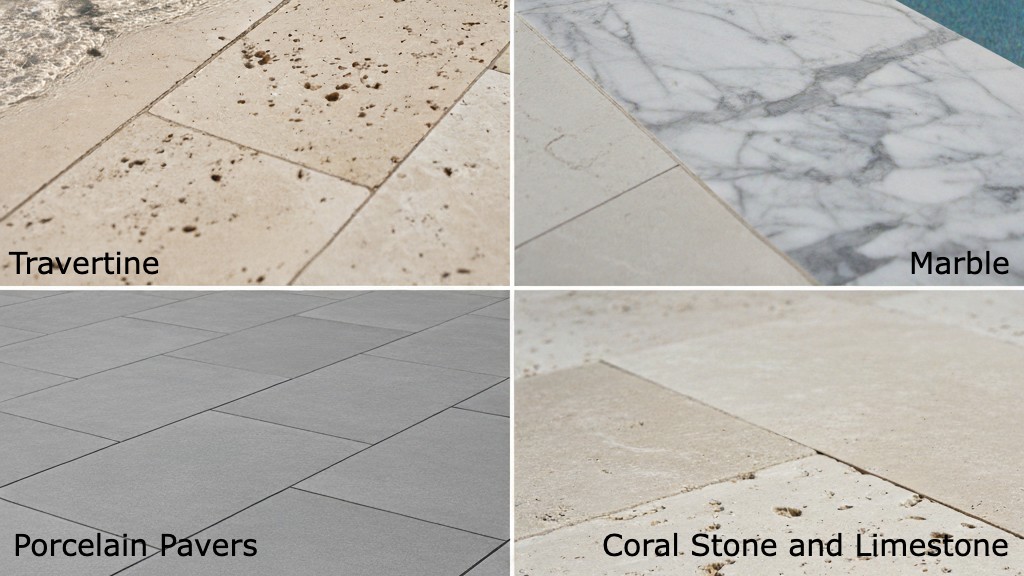
Travertine
Travertine is admired for its natural elegance and its ability to stay comfortable in warm weather. Its porous surface allows heat to dissipate, which keeps the material cooler under direct sunlight. The gentle pits and natural texture also provide dependable traction, making travertine a practical and inviting choice for wet areas around the pool.
It performs especially well in humid climates because it absorbs water naturally and dries quickly, which helps reduce surface puddling. When sealed, travertine maintains strong resistance to UV exposure and preserves its soft tones ranging from ivory to beige and walnut. These qualities make it a reliable option in regions where sunlight and moisture are part of everyday conditions.
As part of the broader natural stone category, travertine offers consistent strength and long-term performance when sourced in premium grades. Periodic sealing helps protect it from stains, moisture absorption, and chemical exposure so the surface stays attractive and smooth for many years.
Marble
Marble brings a refined and elegant look to any pool area with its smooth surface and distinctive veining. Lighter shades reflect more sunlight, which helps the surface stay comfortable for barefoot use. Finishes such as honed or tumbled add traction around water while maintaining the upscale appearance marble is known for.
In warm climates, marble holds its color and texture when it is properly sealed. A quality seal helps guard against UV exposure, chemical irritation, and minor surface fading. Its dense composition also resists heat penetration and adapts well to daily temperature changes.
Like other natural stones, marble benefits from sealing after installation and every few years to maintain a polished look. Routine cleaning with pH-neutral products helps prevent etching, staining, and dullness so the stone stays beautiful over time.
Porcelain Pavers
Porcelain pavers are engineered for strength and stability, and they create a clean, modern appearance that many luxury homeowners love. These pavers offer a smooth, consistent texture and tight sizing that help produce the look of an indoor floor in an outdoor setting. Their dense, non-porous surface resists moisture absorption, which helps limit staining and mold in humid environments. However, porcelain can heat up more quickly than natural stone, so it may feel warmer underfoot during sunny weather.
One of the biggest advantages of porcelain is its resistance to fading. Even with significant UV exposure or coastal humidity, porcelain maintains its color and finish over time. It is also available in a wide range of contemporary colors and patterns, including options that mimic the look of marble, limestone, or wood. This versatility makes porcelain a popular choice for homeowners who want a sleek, design-driven look with long-lasting visual consistency.
Porcelain is typically installed using thin-set on a reinforced concrete base. This method creates a stable, seamless finish but requires more precision and labor, which increases installation cost. Porcelain also carries a higher risk of cracking if the base shifts or if sudden stress occurs. Since it does not require sealing and only needs basic cleaning, porcelain remains a low-maintenance option, but it is important to weigh its heat levels, installation demands, and potential for cracking when choosing the best material for your pool deck.
Coral Stone and Limestone
Coral stone and limestone offer unique aesthetics that bring character to luxury backyards. Coral stone contains natural voids that improve traction and help keep the surface cooler in hot weather. Limestone provides a soft, matte texture with gentle color shifts that create an understated yet elegant look.
Both materials handle warm climates well. Coral stone’s pores promote quick drying, which reduces slipping in humid areas. Limestone performs smoothly in sunny regions when treated with quality sealants that protect against UV exposure and color changes. Their natural appearance makes them appealing to homeowners who want a custom look that blends with the surrounding landscape.
Both materials benefit from periodic sealing to protect against staining, moisture penetration, and fading. Regular care helps them retain their natural beauty and ensures long-term durability in warm, humid climates.
Pool Deck Plans and Ideas
A well-designed pool deck brings your entire outdoor space together. When you treat the deck as an essential design feature rather than an afterthought, you create a backyard that feels intentional, comfortable, and visually impressive.
Material Selection and Visual Impact
The materials you choose have a major influence on the overall atmosphere of your backyard. Large format travertine or marble creates a bold, architectural look that feels clean and modern, while light-toned stone brings in a soft, coastal feel similar to a resort environment. Porcelain pavers offer a sleek and contemporary finish with consistent sizing and refined textures. Choosing a material that matches your home’s architecture helps create a cohesive outdoor space that feels intentional and beautifully designed.
You can also consider man-made options such as brick pavers and artistic pavers. Brick pavers provide strong traction but can become hot under direct sunlight. Artistic pavers, including styles like Shellock, Granite Lock, and Euro Lock, are dense, durable, and often stay cooler in lighter shades without requiring sealing. Each option creates a different visual effect, allowing you to tailor the deck’s appearance to your backyard layout and desired style.
Layout, Flow, and Furniture Planning
A thoughtfully planned layout makes your backyard more inviting. The arrangement of pathways, open areas, and lounging zones should guide movement naturally and leave ample room for furniture. Planning the deck around how you entertain or relax helps you avoid cramped spaces and awkward transitions. When your layout supports the way you live, the entire deck becomes more practical and enjoyable.
Borders, Inlays, and Custom Details
Adding borders or inlays introduces depth and character to your pool deck. A contrasting stone border can frame the pool beautifully, while a subtle inlay can highlight transitions between areas. Some homeowners blend materials like travertine and porcelain to achieve a layered, designer look. Small custom touches make your deck stand out and give it a truly personalized feel.
Integration With Landscaping and Architecture
Your pool deck should feel connected to the rest of your property. The right design incorporates existing architectural lines, outdoor living features, and surrounding greenery. When the colors, shapes, and textures complement your home and landscape, your backyard feels unified and carefully curated. This integration also supports functional features such as shade placement and privacy elements.
Collaborating With a Professional Builder
Luxury deck designs benefit from working with a builder who understands proportion, material behavior, and long-term performance. A skilled professional can help position seating zones, refine elevations, and select finishes that work well in your climate. This level of planning ensures the deck is not only attractive but also practical and comfortable for everyday use.
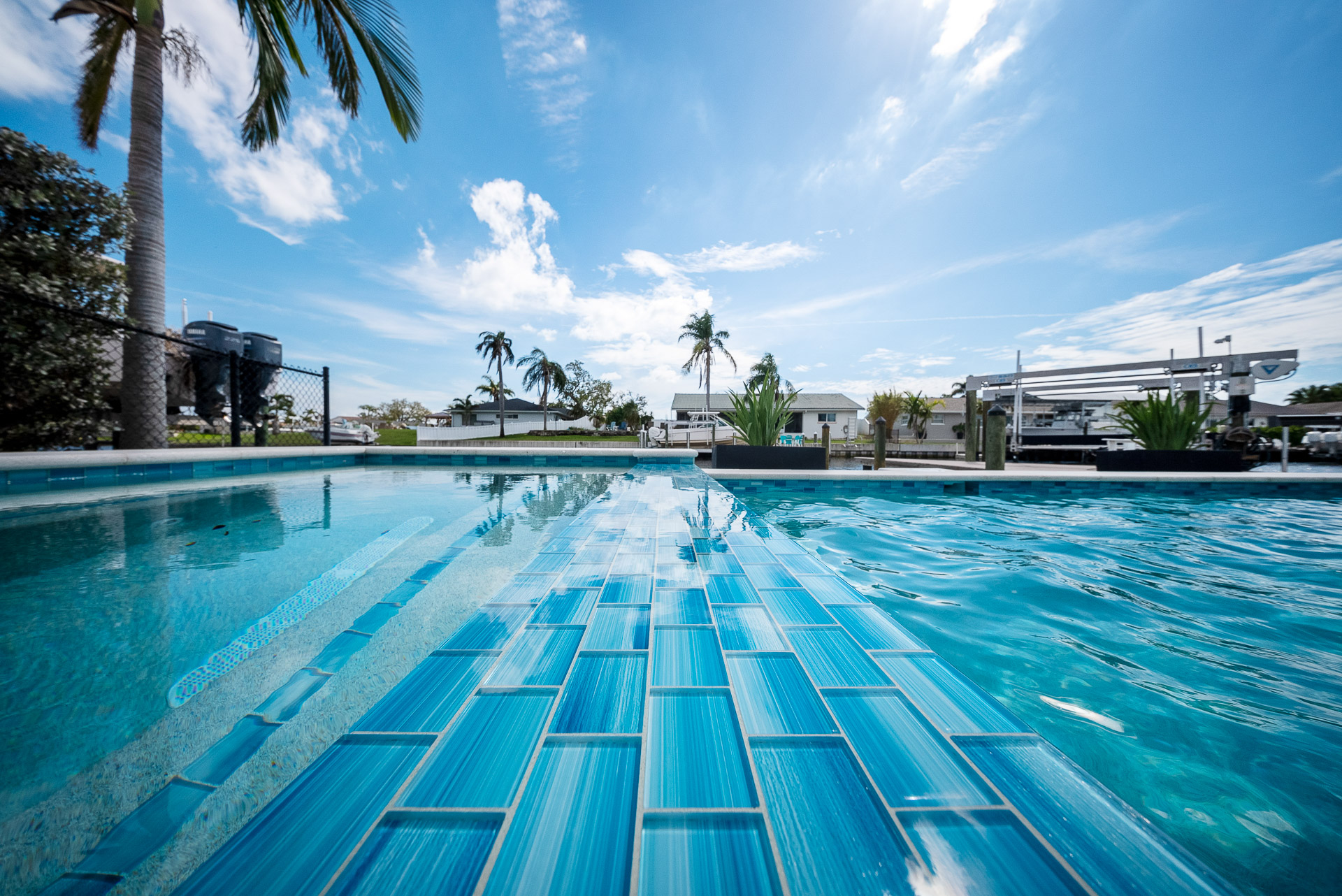
When shaping the rest of the pool environment, additional material choices may include waterline tile, deco drains, outdoor kitchen elements, and stone features. Waterline tiles should be in pool-rated glass or porcelain and installed with grout designed specifically for underwater conditions. These selections contribute to the durability of the space and influence the final appearance of the water and surrounding surfaces.
Pool finishes also play a major role in how the water looks and ages. Quartz typically lasts around fifteen years, while pebble aggregate finishes can last closer to twenty-five. A white based plaster produces a light blue water tone, while alternate finishes create darker or more vibrant shades depending on your desired aesthetic.
Final Thoughts on Choosing a Pool Deck
The right decking material can completely transform the look and feel of your pool area. By understanding how each material behaves in terms of temperature, durability, maintenance, and visual appeal, you can make an informed decision that enhances both comfort and style. Whether your dream backyard features travertine, marble, porcelain, or other natural stones, choosing wisely ensures your deck will stay beautiful and functional for years to come.
FAQ
What size should my pool deck be for a luxury backyard?
The ideal deck size depends on how you plan to use your outdoor space. Luxury pools often include areas for lounging, dining, sunbathing, or entertaining, so a deck should provide enough room for comfortable movement around the pool without feeling crowded. Larger format spaces also help the design feel open, balanced, and resort-inspired.
Can I mix different materials in one pool deck design?
Yes, mixing materials is common in high-end outdoor spaces. Combining travertine with porcelain, or using contrasting borders, creates depth and visual interest. Blended materials can highlight certain areas, guide foot traffic, or frame the pool with a more custom appearance. A skilled builder can help ensure the transition between materials looks seamless and intentional.
Does the shape of my pool affect the best decking choice?
The deck material you select should complement the pool's shape. Organic or freeform pools often pair well with stone that has natural variation and softer tones, while geometric pools usually benefit from materials with clean lines and consistent sizing. Matching the material to the pool's architecture creates a cohesive and elegant outdoor environment.
Bring Your Dream Pool to Life
If you are ready to design a custom pool that reflects your taste and lifestyle, Pool Perfection can bring your vision to life with premium materials and expert craftsmanship.
.jpg)